





Corporate events are being planned today in a context that is very different from just a few years ago.
Geopolitical tensions, rising fuel costs, and global uncertainty are directly impacting how companies allocate budgets, assess risk, and define priorities.
In this environment, the question is no longer just where to go, but how to design events that remain effective, responsible, and financially sustainable.
Italy continues to be one of the most desired destinations for corporate events. But the traditional approach—large groups, iconic cities, high logistical complexity—is increasingly misaligned with current needs.
For companies looking to maintain quality while controlling costs, there is a different path: moving beyond the beaten track and adopting a more intentional design approach, guided by materiality.
This article explores what that means in practice:
- what types of lesser-known venues exist in Italy;
- why they are more relevant today;
- how they can reduce costs while increasing impact;
- and how to rethink corporate event formats in a time where efficiency and meaning are no longer optional.
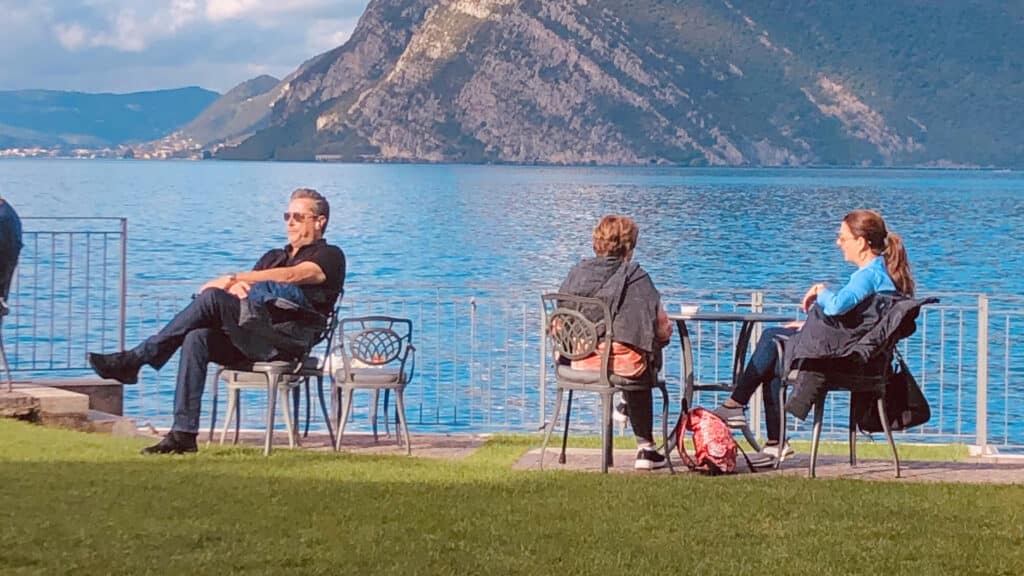
What defines a “beyond the beaten path” corporate event in Italy
Choosing a lesser-known destination is not simply about avoiding crowds. It is a strategic decision that affects how people interact, how time is used, and how resources are allocated.
A corporate event outside mass destinations typically offers:
- Privacy: fewer external distractions, more control over the environment.
- Cultural context: local traditions, craftsmanship, and landscapes become part of the experience.
- Flexibility: spaces that can be adapted to different formats, rather than fixed setups.
- Cost efficiency: better value compared to high-demand urban locations.
In practice, this means moving from a “location-first” mindset to a “format-first” approach: selecting a setting that supports the purpose of the event, not just its image.
For more, read “Off the beaten path? The concept for Italian Special Occasions DMC”.
Types of authentic venues for corporate events in Italy
Italy offers a wide range of event venues that remain underutilized in the corporate industry. Understanding these typologies helps decision-makers imagine new formats and outcomes.
1. Historic villas and countryside estates
Private villas and rural estates provide controlled environments where teams can work and interact without interruption. They are particularly suitable for:
- Leadership retreats;
- Strategy meetings;
- Small-scale incentive programs.
These venues often include gardens, agricultural land, and outdoor areas that can host informal sessions or activities.
Why they work: They combine heritage with functionality, allowing a shift from formal meetings to more fluid, discussion-based formats.
2. Borghi (small villages)
Entire villages—sometimes partially restored or repurposed—can host corporate groups, offering a distributed yet cohesive environment. They are ideal for:
- Team building programs;
- Multi-day retreats;
- Cross-functional workshops.
Participants stay in different houses or units, creating a balance between individual space and collective experience.
Why they work: they naturally encourage movement, exploration, and informal interaction, which strengthens team dynamics.
3. Monasteries, cloisters, and spiritual spaces
Former religious structures provide a unique atmosphere that supports focus and reflection. They are often used for:
- Executive retreats;
- Workshops requiring deep thinking;
- Wellbeing-oriented programs.
Why they work: Their architecture and history create a slower rhythm, which can improve concentration and decision-making quality.
4. Rural landscapes and nature-based settings
Open landscapes—hills, vineyards, coastal areas—offer an alternative to enclosed venues. They are suitable for:
- Informal meetings;
- Outdoor workshops;
- Experiential learning sessions.
Why they work: Nature reduces cognitive overload and supports more open, creative thinking processes.

Why these event venues are increasingly relevant today
Global uncertainty, rising costs, and shifting expectations are reshaping how companies approach corporate events.
Three key trends are driving the move toward lesser-known destinations:
1. Budget optimization without reducing impact
High-profile destinations often absorb a significant portion of the budget in logistics, accommodation, and exclusivity fees.
By contrast, alternative locations allow planners to:
- Reduce transportation and infrastructure costs
- Invest more in content and experience design
- Maintain high perceived value with lower overall spend
2. Smaller groups, higher quality interactions
There is a clear shift from large-scale events to more focused gatherings.
Groups of 20–40 participants allow:
- More meaningful discussions
- Greater adaptability of the program
- Stronger engagement
This aligns naturally with venues that are not designed for mass tourism.
3. Demand for purpose-driven formats
Companies increasingly expect events to deliver more than networking or celebration.
They look for:
- Learning outcomes
- Team alignment
- Wellbeing and mental clarity
This requires formats that integrate environment, activities, and objectives in a coherent way.
A different approach to cost: how constraints can improve design
Rising fuel prices and global instability have made transportation and logistics more complex. However, these constraints can lead to better solutions.
Instead of long transfers, large group movements and high-dependency logistics, companies can adopt more localized, low-impact formats.
Example: mobility as part of the experience
In several projects, groups were hosted in regions such as Sicily or the Marche, where distances are manageable and landscapes accessible.
Rather than relying on buses, participants moved through the territory using assisted bicycles.
This approach:
- Reduced transportation costs;
- Minimized environmental impact;
- Turned movement into an experiential element.
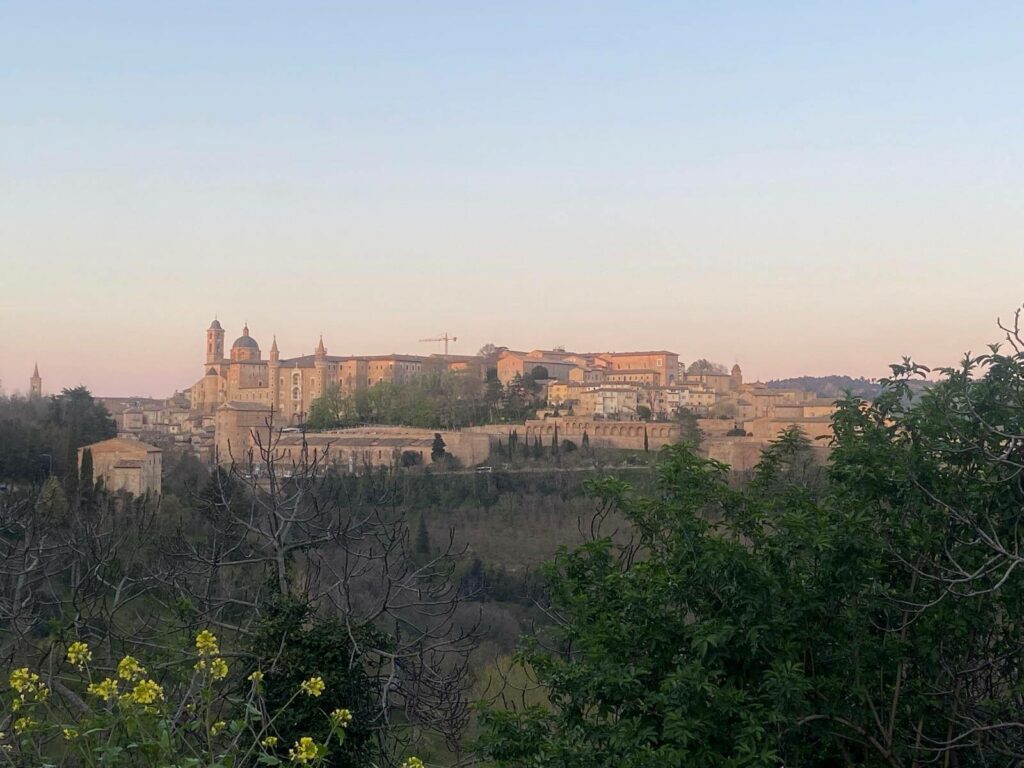
The role of Materiality in designing cost-effective events
Materiality is not just a sustainability concept. It is a decision-making framework that prioritizes what truly creates value.
Applied to corporate events, it means:
- Focusing on elements that impact the participant experience;
- Eliminating unnecessary components;
- Aligning resources with objectives.
This approach often results in:
- Lower budgets;
- Higher perceived quality;
- More coherent event design.
A practical format: small-scale retreats with integrated experiences
One of the most effective models developed in recent years is the small-group retreat in a lesser-known region.
Key characteristics of the format
Imagine a group of around 30 delegates in a secluded Italian setting.
The program includes:
- Wellbeing sessions: Mindfulness exercises, breathing techniques, or light physical activities.
- Nutrition-focused dining: High-quality local food, often with reduced or no alcohol, supporting clarity and energy.
- Hands-on workshops: Activities linked to the region, such as ceramics, embroidery, or artisanal production.
- Informal social moments: Dinners in local restaurants rather than formal gala settings.
- Meetings in natural environments: Sessions held outdoors, in gardens or open spaces.
Why this format works
This structure has proven effective across multiple projects because it:
- Lowers operational costs;
- Increases participant engagement;
- Creates a clear narrative for the event;
- Adapts easily to different corporate objectives.
It transforms the event from a sequence of activities into a cohesive experience.
A new perspective on corporate events in Italy
The current global context does not reduce the need for corporate events. If anything, it makes them more important.
Teams still need to meet, align, and reset.
The difference is how these events are designed.
Instead of stopping or reducing investment, companies can:
- Rethink formats
- Choose more meaningful locations
- Optimize budgets through smarter decisions
In this perspective, constraints become opportunities.
Exploring your own format
Every company has different needs, expectations, and constraints. The formats described here are not fixed models, but adaptable frameworks shaped by objectives, budget and group dynamics.
If you want to explore how our approach could be adapted to your team, objectives, and budget, you can get in touch with us to start a conversation.
FAQs: corporate events in Italy beyond the beaten path
What does “Italy beyond the beaten path” mean for corporate events?
It refers to hosting events in lesser-known regions and venues—such as rural estates, small villages, or nature-based settings—rather than major cities or high-traffic destinations. For companies, this means more privacy, greater flexibility, and often a better balance between cost and experience quality.
Are lesser-known venues in Italy suitable for high-level corporate events?
Yes, especially for leadership meetings, retreats, and strategic workshops. These venues may not be designed for large-scale conferences, but they are often more effective for: focused discussions; decision-making; team alignment. The quality lies in the environment and format, not in size or visibility.
Can choosing alternative locations in Italy really reduce event costs?
In many cases, yes. Costs can be optimized by: reducing transportation complexity; avoiding premium pricing in high-demand cities; working with smaller, more flexible venues. This allows companies to reallocate budget toward experience design and content.
How does materiality apply to corporate event planning?
Materiality is a framework used to prioritize what truly creates value. In event design, it means: focusing on elements that impact participants; removing unnecessary components; aligning budget with objectives. The result is often a more efficient event with stronger outcomes.
What kind of activities can replace traditional corporate formats?
Instead of standard meetings or gala dinners, companies can integrate: mindfulness or wellbeing sessions; hands-on workshops linked to the region; outdoor meetings in natural settings; informal dining experiences. These formats often increase engagement and create more memorable outcomes.
Is this approach suitable during periods of global uncertainty?
It is particularly relevant in uncertain times. By focusing on smaller groups, simplified logistics, and local experiences, companies can maintain the value of in-person events while managing risk and budget more effectively.
Who should consider this type of corporate event in Italy?
This approach is particularly suited for: companies planning leadership retreats; teams needing alignment or reset moments; organizations looking for more meaningful alternatives to incentives. It is less about replacing all events, and more about choosing the right format for the right objective.