




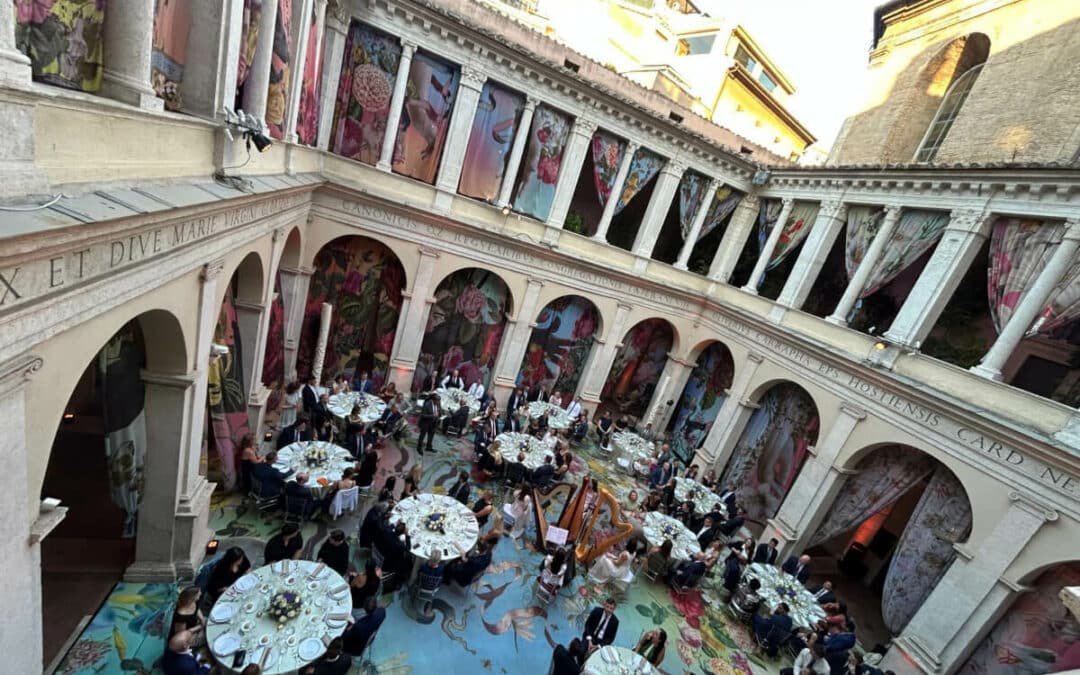
Finding a historic venue in Italy goes far beyond picking a beautiful building. A Renaissance palace, private villa, medieval castle or former monastery can all be memorable places to host an event, but each works differently and tells guests something different about the company that has chosen it.
For companies in luxury, fashion, design, lifestyle or premium technology, the venue can reinforce the story behind a product, encourage a certain kind of interaction and connect the event with the destination.
So, before choosing a property, there is a more useful question to ask: what kind of historic venue makes sense for this particular event, its guests and its purpose?
This is the thinking behind our Venue Strategy approach: rather than starting with a list of available properties, we first evaluate what the event needs to achieve and what kind of destination and venue can best support it.
Start with the purpose, not the venue
One of the easiest mistakes when searching for an event venue in Italy is to fall in love with a property before considering what needs to happen there.
Start instead with the purpose of the event.
Are you introducing a new product? Bringing an international leadership team together? Rewarding employees or clients? Hosting a conference? Creating an experience around the values of a brand?
A product launch, for example, may require controlled lighting, space for technical equipment and an easy transition between the presentation and the social part of the event.
An executive retreat needs privacy, comfortable places for discussion and opportunities for people to spend time together informally.
An incentive programme may require something different again: a venue that provides access to the culture, food, crafts and people of the surrounding area.
The right venue should make the event work better, not make the planning more complicated simply because everyone fell in love with the photographs.
Which type of historic venue works for your corporate event?
Italy has an enormous variety of historic properties. Understanding the practical and cultural differences between them can help narrow the search before looking at individual venues.
Historic palaces: for events that need presence and centrality
An urban palazzo can work particularly well for luxury events, fashion presentations, gala dinners and premium product launches.
Historic palaces often have the advantage of being in the centre of a city, close to hotels and transport. Frescoed rooms, courtyards, monumental staircases and formal reception rooms can provide much of the character of the event without the need to build an elaborate setting from scratch.
They can be especially appropriate for brands associated with craftsmanship, heritage, fashion or design.
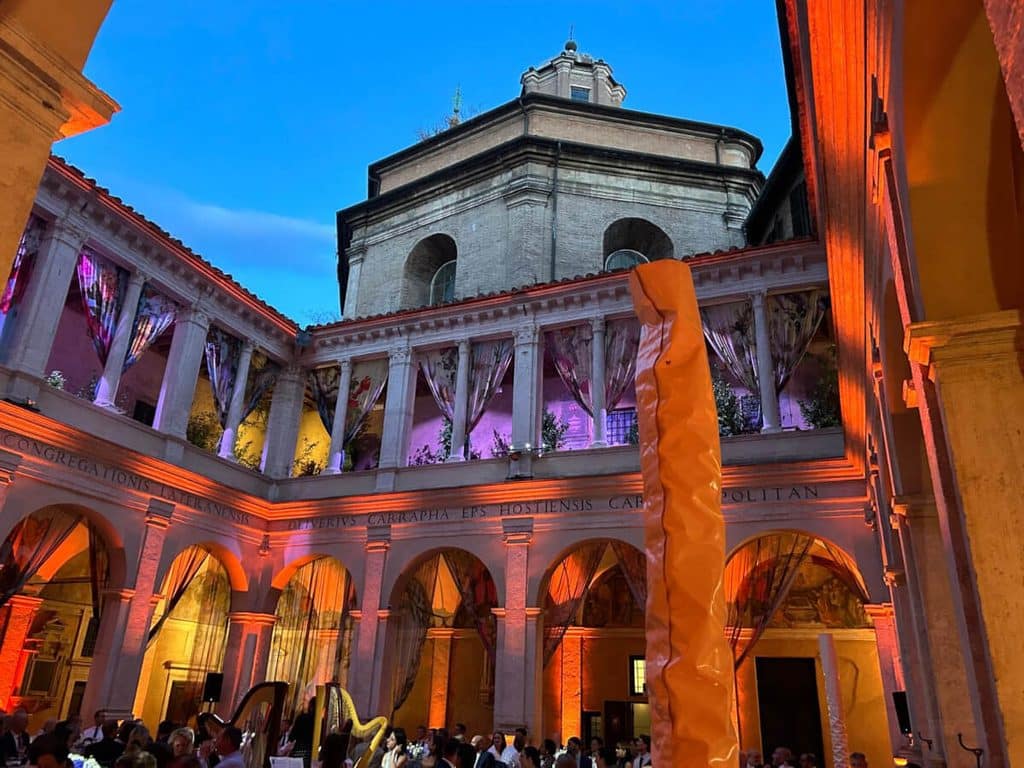
However, historic charm comes with practical tradeoffs. Historic buildings were not designed for 21st-century corporate events. Loading access, sound restrictions, room capacity, air conditioning, technical installations and permitted uses all need to be checked before plans progress too far.
Historic villas: privacy and more freedom to move
A historic villa creates a different atmosphere.
Gardens, terraces, salons and outdoor areas allow guests to move naturally between different parts of the programme. A meeting might be followed by an aperitivo in the garden and dinner outside, while smaller rooms can be used for workshops or private conversations.
This makes villas particularly interesting for executive retreats, incentive programmes, smaller product launches and leadership meetings.
For lifestyle, design and luxury companies, the more residential character of a villa can also make a corporate event feel less formal.
But location matters. Accommodation, exclusivity, bad-weather alternatives and transportation should all be considered. A wonderful private estate may not be the right choice if moving 100 people there every day becomes a logistical nightmare for guests.
Castles and fortified properties: when a dramatic setting makes sense
Italian castles can work particularly well for celebrations, incentive events, gala dinners and experiences where discovering the building is part of the programme.
The important question is what the property adds beyond its appearance.
Does its history relate in some way to the company, product or experience? Can guests explore the building? Can its rooms and outdoor spaces become part of the programme?
Practicalities are particularly important here. Many castles are in hill towns or rural areas, so coach access, transfers, parking and nearby accommodation may influence the decision.
Instead of picking a castle for its looks alone, ask what unique value it brings to your event.
Museums, theatres and cloisters: when history becomes part of the event
Museums, theatres, cloisters, monasteries and historic cultural institutions offer something different again: there is already a story attached to the place.
This can be particularly interesting for companies connected with creativity, craftsmanship, innovation, art or culture.
For a recent corporate experience in Rome, for example, we chose Casa Litta–Orsini, situated above the ancient Theatre of Marcellus and home to the Embassy of the Order of Malta to the Holy See.
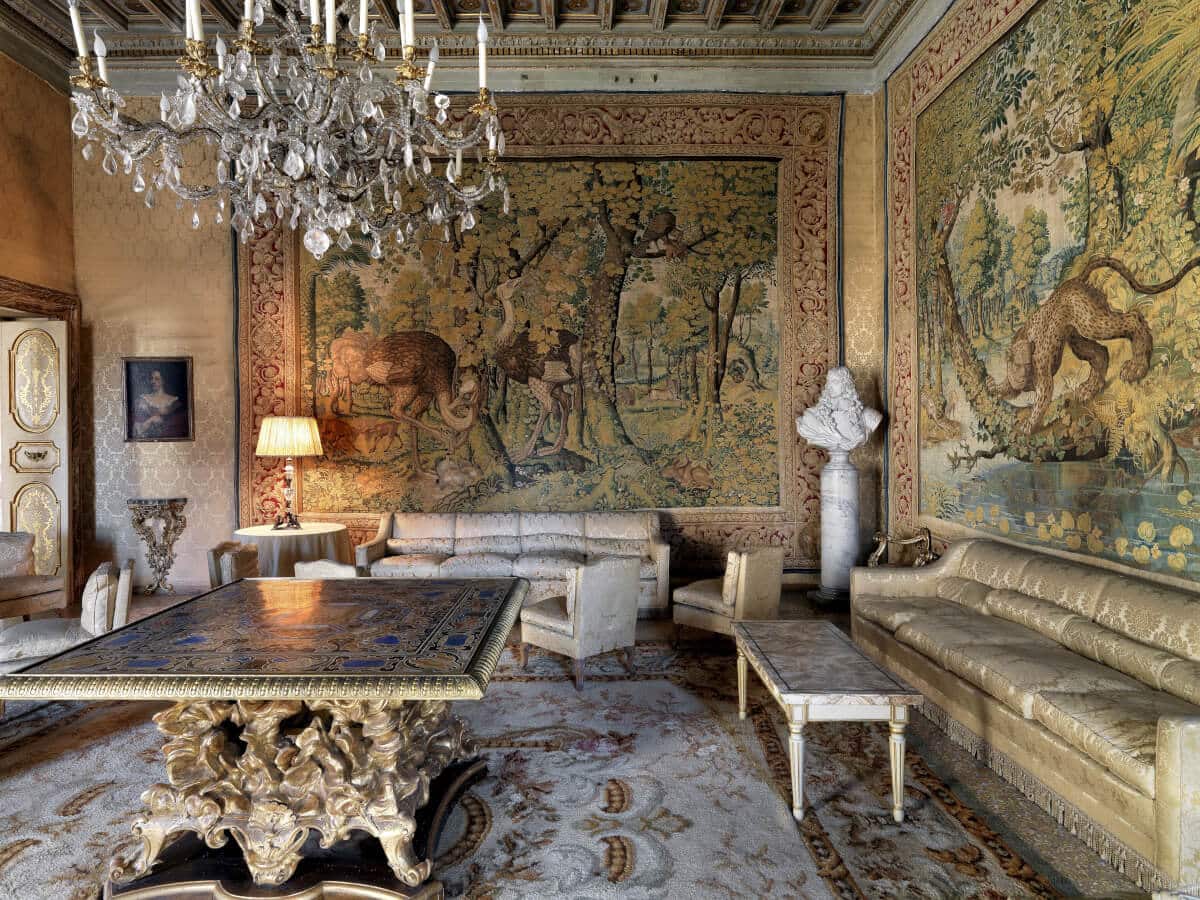
Rather than taking guests to one of Rome’s best-known attractions, the experience gave them access to a historic residence that many visitors — and even many Romans — know little about.
The building became an active part of the experience, giving guests a sense of discovery as they moved through it.
That is an important distinction when considering a historic venue: can guests engage with the place, rather than simply spend a few hours inside it?
What does the venue say about the company choosing it?
For companies, venue selection is also part of how an event communicates.
A property with a long tradition of craftsmanship may make sense for a brand whose products are based on materials and skilled production. A rural estate may be appropriate when the programme is centred on food, agriculture or sustainability. A historic palazzo may suit a luxury launch where Italian design and heritage are relevant to the product.
The connection does not need to be literal, but it should make sense.
A few key questions can clarify the decision:
- What do we want guests to understand about the company or product?
- Why are we holding this event in Italy?
- Does the history of this place add something relevant?
- Will guests understand why we chose this venue rather than another one?
These questions are particularly useful when several properties seem equally suitable on paper.
Think about what guests will do there
The way guests use a venue matters just as much as its architecture.
For a conference or formal dinner, people may spend most of their time in one room. Capacity, acoustics, staging, sightlines and technical equipment therefore become priorities.
An immersive event can use the property very differently. Guests might arrive through a courtyard, move through several rooms during an activity, meet local craftspeople, watch a performance and then have dinner elsewhere in the property.
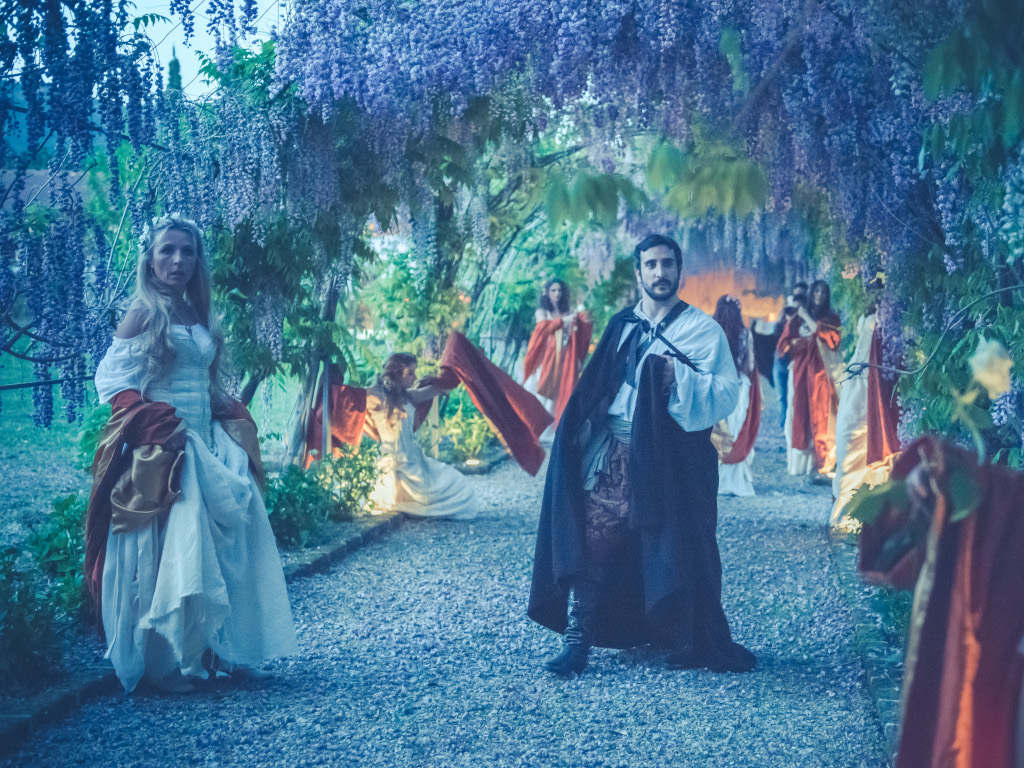
We’ve used this method for corporate events across Italy, designing the itinerary so that exploring the historic venue becomes the main experience itself.
For team building, incentives and brand experiences, this can make the choice of venue much more relevant to what guests ultimately take away from the event.
Look beyond the walls of the venue
Choosing a historic corporate event venue in Italy also means choosing its surroundings.
A beautiful property may not be a good solution if reaching it requires complicated transfers or if there is insufficient accommodation nearby. On the other hand, a lesser-known location can open up possibilities that would not exist in one of Italy’s busiest event destinations.
A countryside estate can connect guests with local producers. A coastal property can lead naturally to experiences linked to the sea. A historic building in a smaller city can introduce guests to a part of Italy they might never otherwise visit.
This is why region and season should be considered alongside the venue itself.
Airport and rail connections, accommodation, transfer times, climate, local suppliers and experiences all influence how well a destination will work for a corporate group.
Can choosing a historic venue create a positive impact?
For companies with CSR or sustainability objectives, the venue can also influence where the economic value generated by an event goes.
A good example is Feudo San Pietro in Milazzo, Sicily.
Set in an ancient hamlet with a peaceful garden at its heart, Feudo San Pietro is gradually being restored as a sustainable event venue and cultural hub. It is also where we just inaugurated the first chapter of our Creative Italy Academy, bringing participants together with masters of craft to learn through direct experience.
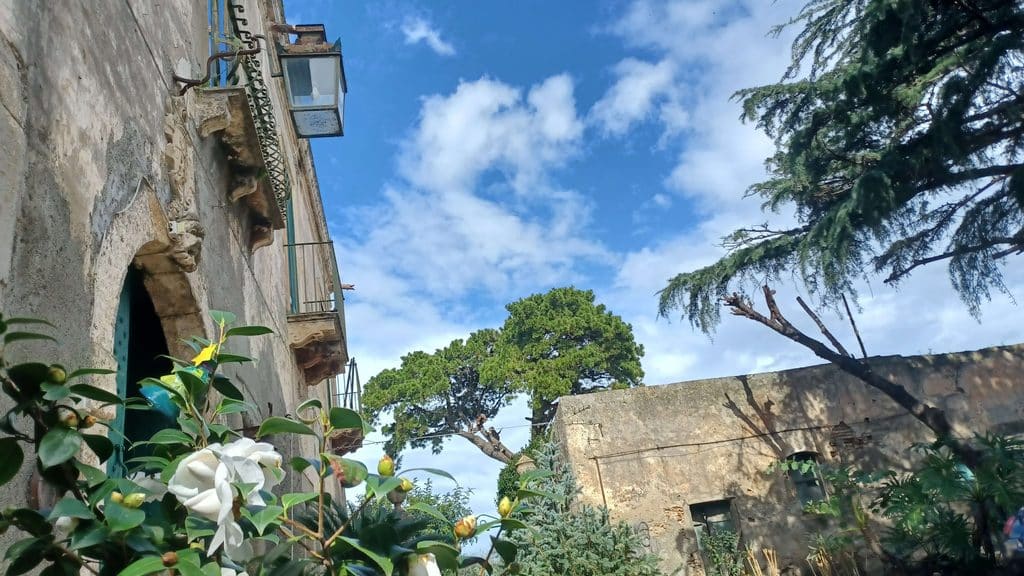
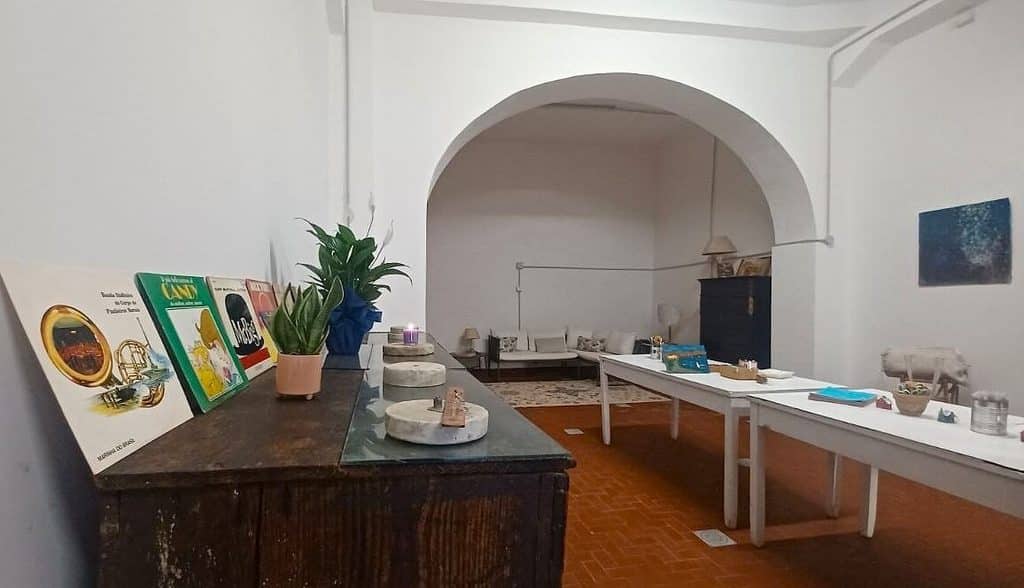
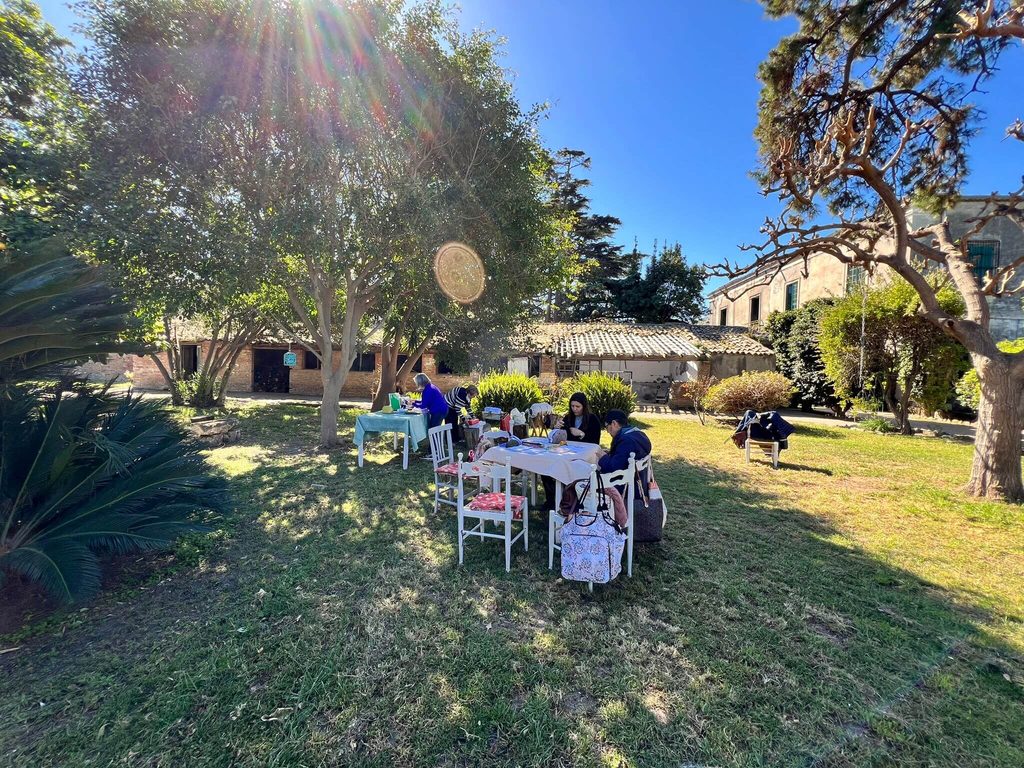

The property dates back to the 1400s, and choosing a venue of this kind has consequences beyond the event itself. Hosting events can contribute to the careful restoration and maintenance required to protect old buildings, architectural details and gardens.
Its location matters too. Milazzo and the wider Messinese area of north-eastern Sicily are far less requested for corporate events than destinations such as Rome, Florence or the Amalfi Coast. It directs revenue straight into the hands of local makers, chefs, and suppliers, helping preserve regional heritage beyond the standard tourist tracks.
For companies planning an event with CSR at its heart, venue and destination should therefore be considered together.
Beyond lowering emissions and eliminating waste, consider the legacy your event leaves behind: what local heritage, economy, or community does your presence support?
Finding the right historic venue in Italy: from search to strategy
There is no shortage of historic venues in Italy. Online research can produce hundreds of possibilities in a few hours. The difficult part is deciding which ones are actually right for the event.
At Italian Special Occasions, we spend a considerable part of every year travelling around Italy, visiting properties, meeting owners and local entrepreneurs, and discovering historic residences, hotels, castles, private estates, wineries, museums and less conventional event spaces.
We look at the qualities that make them interesting, but also at the practical details: accessibility, accommodation, capacity, seasonality, sustainability, logistics and what guests can experience in the surrounding destination.
We have turned this first-hand knowledge into our Venue Strategy service, created for companies, agencies and event professionals that want specialist support before committing to a venue.
We start with the event objectives, audience, budget, logistical requirements and the kind of experience you want to create. From there, we recommend two Italian destinations and two carefully selected venues in each destination.
We then contact the venues to check preliminary availability and indicative pricing, discuss whether the event is feasible and carry out an initial negotiation where appropriate.
The process concludes with a Venue Strategy Report, comparing the options and providing our recommendation and suggested next steps.
Venue Strategy starts from €2,500, depending on the complexity of the brief.
If Italian Special Occasions is subsequently appointed for the full management of the event, up to 50% of the Venue Strategy investment can be credited towards the final project.
If you’ve decided on Italy but aren’t sure which region fits your goals, get in touch with our team to discuss a Venue Strategy.