



Forget standard cooking classes and generic group challenges. In Italy, traditions that are still part of everyday life—from regional crafts to seasonal harvests—give teams a more natural way to practice communication, problem-solving, and adapting to change.
The key is choosing the right format for the people involved and the challenges they face.
Italy is distinctive because its regional cultures are still closely tied to craftsmanship, food, agriculture, and community life. These traditions create space for hands-on learning: participants find themselves in unfamiliar situations, work together, and then reflect on how that mirrors their day-to-day work.
This guide looks at team-building formats inspired by Italian traditions, the goals they can support, and real examples from events we’ve organised.
What makes a culturally inspired team-building experience effective?
An impactful experience doesn’t need to be flashy; it just needs to connect back to how your team actually works day-to-day.
For example, learning to make pasta can be a pleasant social activity. But when participants have to divide responsibilities, coordinate timing, give clear instructions, and deliver a shared result, the same activity turns into a real test of how the team works together.
Similarly, a traditional craft workshop can reveal how people respond to unfamiliar tasks, approach mistakes, ask for help or contribute to a collective project.
The difference lies in the design of the experience, not simply in the activity itself.
When we design a cultural team-building programme, we focus on four elements:
- Corporate objectives: What should the team improve, explore, or understand?
- Cultural relevance: Why does this activity belong to this particular Italian destination?
- Group dynamics: How will participants interact, collaborate, and make decisions?
- Learning and application: How will the experience turn into insights and actions people actually use?
Together, these elements help turn a local tradition into an experience that matters for the way the team works.
1. Craftsmanship team building: creativity, communication and problem-solving
Italian craftsmanship works especially well for team building because it puts participants in an unfamiliar learning environment.
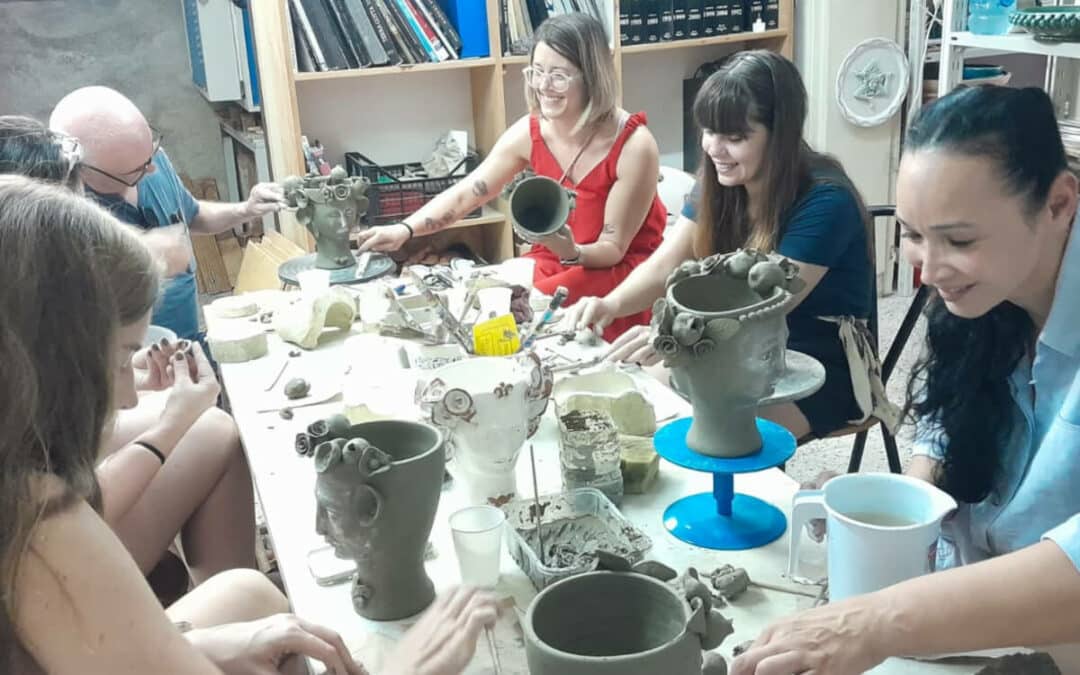
Whether working with ceramics, mosaics, textiles or traditional decorative techniques, participants must experiment, follow instructions, make decisions and adapt when something does not go according to plan.
Professional hierarchies can become less relevant when everyone is learning a new skill. Someone who normally leads a department may need guidance from a colleague, while a quieter team member may discover an unexpected talent.
Example: Creative Italy Academy in Sicily
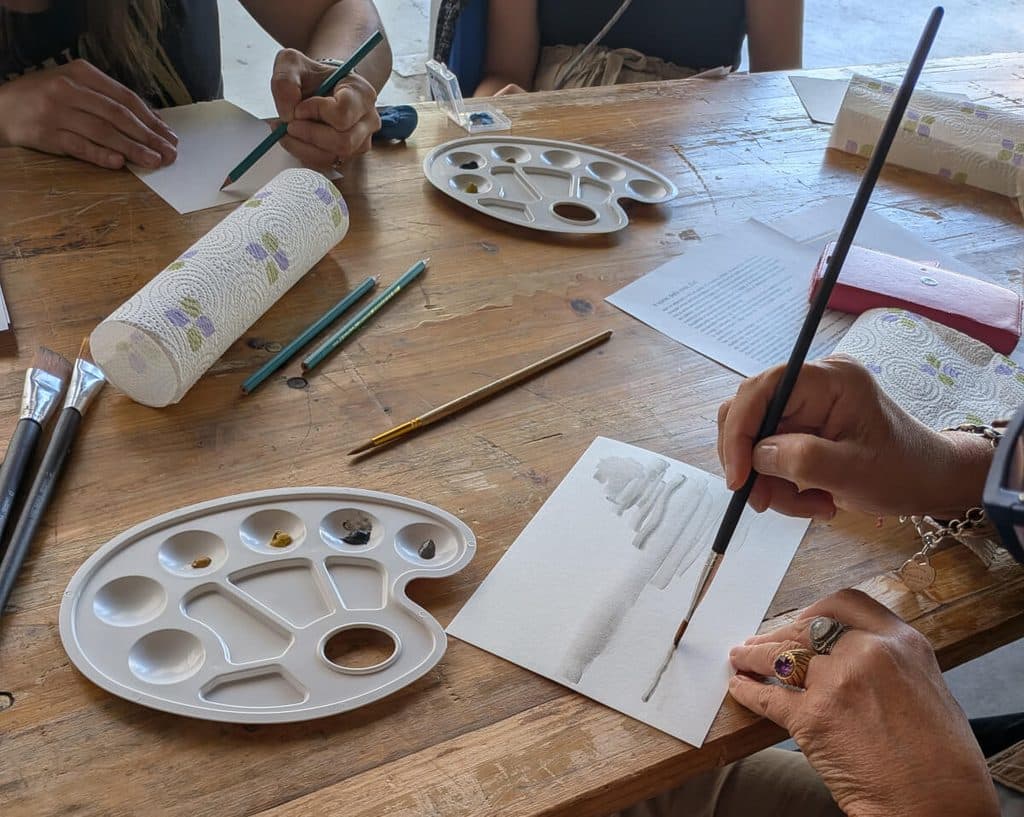
At Feudo San Pietro, a historic estate in Milazzo, Sicily, our partner company Creative Italy inaugurated the Creative Italy Academy in September 2026. Dedicated to preserving Italian saper fare — the knowledge and skills passed down through generations — the Academy offers hands-on learning through ceramics, bobbin lace and natural perfumery.
For corporate teams, these experiences offer a different way of working: slowing down, communicating through practical tasks and creating something together. It’s hands-on work that directly supports local craftspeople and heritage.
2. Gastronomy-based team building: coordination, communication and shared responsibility
Food is one of Italy’s most recognisable parts of its culture, but its value for corporate team building goes beyond the pleasure of preparing and sharing a meal.
Traditional Italian cooking involves steps that naturally mirror teamwork: preparing ingredients, coordinating different tasks, managing time, following instructions, and responding to unexpected challenges.
The most effective culinary formats give participants responsibilities rather than limiting them to watching a chef demonstrate a recipe.
Example: The Aperiteam Challenge in Rome
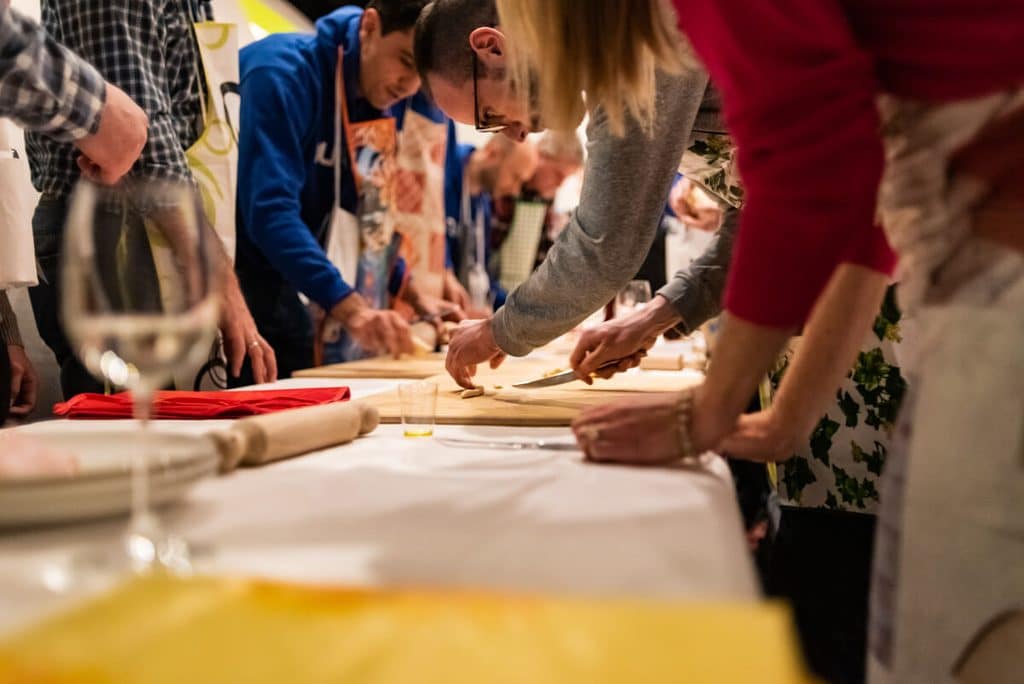
Culinary team building can take different forms. It might be a collaborative cooking workshop, where participants coordinate tasks to prepare a shared menu, or a discovery challenge that combines tastings, sensory exercises, and encounters with local producers. Both formats push people to communicate, cooperate, and interact—especially colleagues who may rarely work together.
For a corporate kick-off event in Rome, Italian Special Occasions created the Aperiteam Challenge for a global technology company seeking to combine employee engagement, sustainability and cultural discovery.
Participants worked in teams named after Italian food pairings, completing tasting challenges, culinary trivia and hands-on pasta-making activities while meeting local artisans in Trastevere. They also collaborated on an artwork representing the company’s brand symbol, which was later sent to its headquarters.
By combining gastronomy, craftsmanship, and collective creativity, the experience helped colleagues connect more deeply while reinforcing a sense of shared identity within the company. The wider programme also included participant-led meetings, connecting informal team building with strategic business discussions.
3. Agriculture and rural traditions: trust, adaptability and change management
Agricultural traditions are a good way to explore how people and systems depend on one another.
In vineyards, olive groves, forests, and rural communities, success depends on things like timing, environmental conditions, accumulated knowledge, and cooperation.
These relationships can provide useful starting points for conversations about organisational culture, leadership and change.
Unlike a conventional presentation, a rural experience lets participants see these principles in a real setting before discussing how they relate to their organisation.
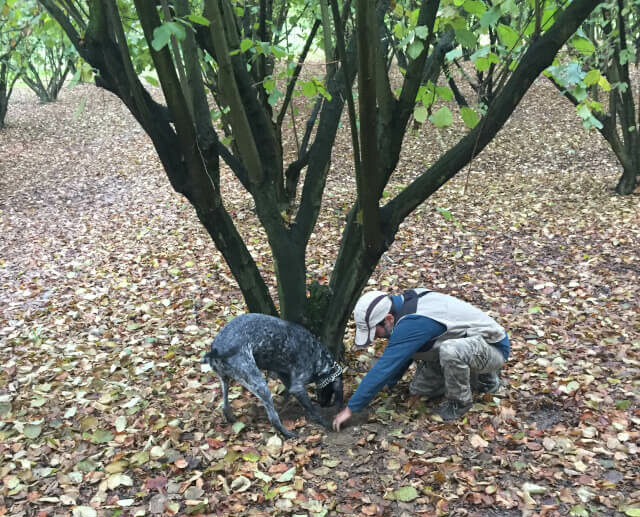
Example: Truffle hunting in Piedmont
For a food and beverage client going through organisational change, Italian Special Occasions built this tradition into a three-day retreat in Roero and Monferrato.
We paired morning strategy sessions with an afternoon truffle hunt alongside a local trifolao and his trained dog.
Later, during a discussion in the vineyard, our coach helped the team draw parallels between healthy natural ecosystems and workplace dynamics—giving them a practical framework to address communication barriers and prepare for upcoming changes.
The experience received positive feedback for its contribution to team cohesion, and the company subsequently booked another retreat with us in Sicily.
4. Sensory team building: active listening, observation and new perspectives
Not every team-building experience needs to involve competition or physical challenges.
Sensory workshops take a different approach, asking participants to observe carefully, describe what they notice, and recognise how differently people can interpret the same information.
They work well for teams that need to improve listening skills, encourage new perspectives, or move beyond established ways of thinking.
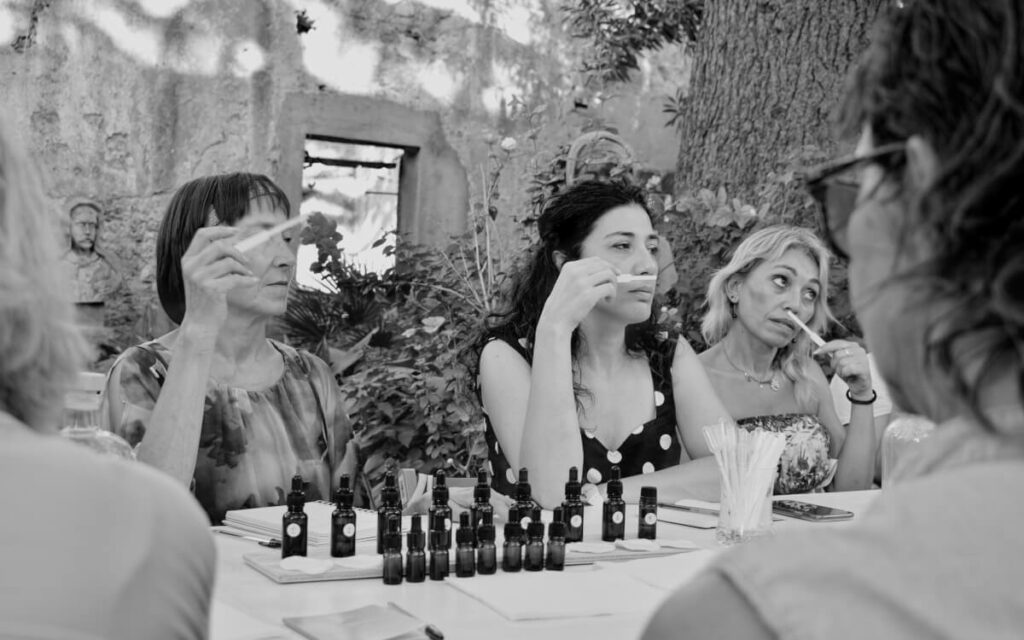
Example: Botanical perfumery in Milazzo
A sensory experience developed with Creative Italy focuses on natural perfumery at Feudo San Pietro.
The workshop is inspired by Milazzo’s history of jasmine cultivation and the women known as Le Gelsominaie, whose work and struggle for better conditions are part of the area’s social history.
Guided by an experienced botanical perfumery expert, participants explore natural raw materials, develop their olfactory awareness and create a jasmine-based fragrance accord.
The programme can also include a garden walk and floral tea tasting.
For corporate groups, the experience gives a chance to work with unfamiliar sensory cues, exchange impressions, and approach creativity without relying only on analytical thinking.
The cultural context gives the workshop additional depth, connecting participants with the people and traditions behind the materials they use.
5. Nature and mindfulness: trust, observation and team wellbeing
Italy’s natural environments lend themselves to corporate team events that combine outdoor learning with facilitated conversations.
hese experiences can be especially useful during leadership retreats, annual planning meetings, and periods of organisational change.
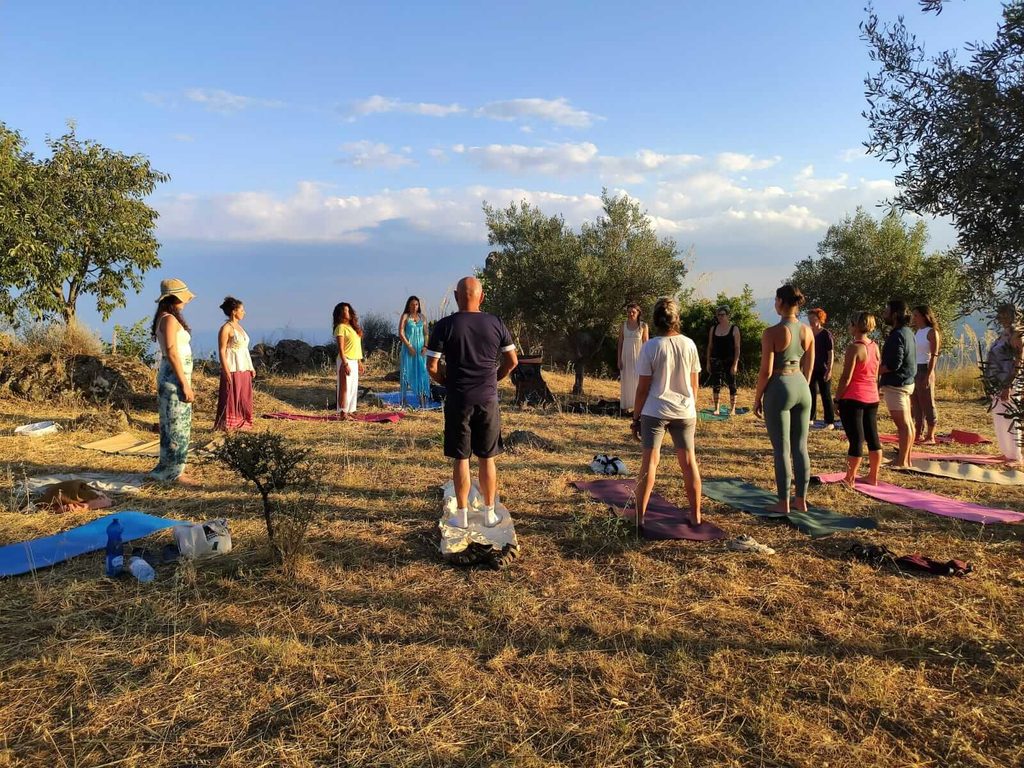
Example: Birdwatching, movement and mindfulness in Maremma
In southern Tuscany, Maremma is an ideal setting for nature-based team building. Its protected wetlands, Mediterranean forests, and coastal landscapes let groups step away from their usual working environment and explore different ways of interacting.
At Italian Special Occasions, we’ve developed team-building formats that use these natural surroundings to address specific goals.
- Birdwatching at Lake Burano: Builds patience, sharpens detail observation, and teaches teams how individual insights form a complete picture.
- Acro-Yoga on Monte Argentario: Fosters real-time trust, balance, and clear physical communication in a supportive environment.
- Mindfulness & Reflection: Helps participants slow down and recognize how personal habits shape team dynamics at work.
With the support of a professional coach, these outdoor observations become the starting point for honest, practical conversations about work.
How do you turn a cultural activity into measurable team development?
Fun activities don’t automatically change how people work. To turn shared experiences into lasting habits, we integrate a three-part coaching framework:
- Experience: Dive into the task and notice how the team communicates and makes decisions in real time.
- Reflect: Debrief with a coach to connect what happened in the activity to everyday work habits.
- Act: Turn insights into clear, actionable commitments for the office.
Building Corporate Events Around Purpose and Place
Real event sustainability goes beyond reducing carbon footprints: it means investing in the places that host you. By partnering with local artisans, agricultural producers, and independent venues in lesser-known Italian destinations, a portion of your event budget goes directly to supporting local economies and preserving regional heritage.
At Italian Special Occasions, we combine this community-first approach with thoughtful event design. Whether you’re planning a corporate retreat, incentive trip, or team-building experience, we help you match your business goals with Italy’s living traditions to create value that lasts for both your team and the host community.
Ready to plan your next event in Italy? Get in touch with our team to start designing a programme tailored to your goals.