



Incentive travel has long been the “gold standard” for rewarding high performers. The promise of a sunset over the Roman skyline or a private gala in a Venetian palace is a powerful motivator. However, in our years of experience at Italian Special Occasions, we have seen that even the most luxurious trip can fail to deliver a return on investment if the format of the journey is misaligned with your business objectives.
Situations where incentive travel to Italy may not be the right solution often stem from a misalignment between corporate goals and the chosen format. This article explores when you should step back from the “incentive” label and consider alternative formats—such as retreats or strategic meetings—to better serve your corporate objectives and ensure a genuine return on investment.
The misconception: can a trip solve any corporate problem?
The most common mistake decision-makers make is viewing an incentive trip as a ‘fix-all’ for organizational issues. At Italian Special Occasions, we believe it is vital to debunk the common myths about corporate events in Italy before signing a contract. An incentive is, by definition, a reward; it is designed to celebrate success, not to mend deep-seated structural gaps.
If your team is currently navigating a merger, experiencing low morale due to structural changes, or struggling with a lack of clear direction, a high-energy incentive trip can actually backfire. Instead of feeling rewarded, employees may feel the trip is a “distraction” or an “empty gesture.”
When to reconsider the incentive format:
• Lack of Clear Objectives: If the goal is “to just do something nice,” the ROI will be impossible to measure.
• Misaligned Teams: If departments are siloed and struggling to communicate, a leisure-heavy incentive won’t bridge the gap.
• Inadequate Timing: Planning a grand celebration during a period of heavy restructuring or budget cuts can damage company culture.
When a strategic retreat is the better choice
If your goal is knowledge transfer, cultural alignment, or deep work, an incentive trip is likely too “busy” to be effective. In these cases, we recommend a Corporate Retreat in a more secluded, meaningful location.
A retreat focuses on the “we” rather than the “me.” For example, when a Norwegian client approached us to reward their employees, they initially thought of Milan. While Milan is a global hub, its frantic energy didn’t match their need for reconnection. We redirected them to Franciacorta and Lake Iseo.
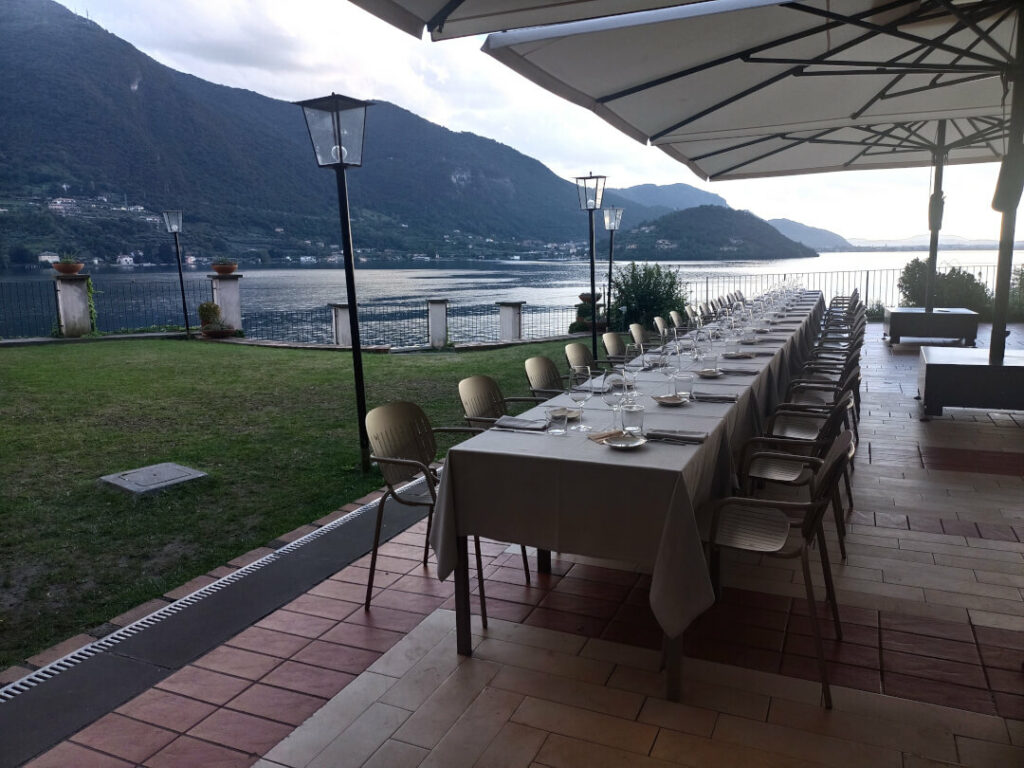
By choosing a destination “off the beaten path,” the team wasn’t distracted by the shopping or tourist traps of a major city. Instead, they engaged in:
• E-bike exploration: A slower, greener pace that encouraged conversation.
• Organic Wine Workshops: Learning from the Boccadoro Winery about the patience required for organic farming—a direct metaphor for sustainable business growth.
• Team Coaching: Using the quiet environment of Lake Iseo to facilitate deep-dive sessions that wouldn’t be possible between gala dinners and sightseeing.
The “touch and go” trap: why length and depth matter
A common error in incentive planning is the “Touch and Go” itinerary—trying to see Rome, Florence, and Venice in four days. This creates a logistical nightmare that leaves delegates frustrated rather than appreciated.
In 2026, the trend is toward “Slow Incentives.” If you cannot commit the time required for a deep immersion, you should rethink the trip entirely. A successful program requires a balance of work, creativity, and rest.
Case study: from Tuscany to Le Marche
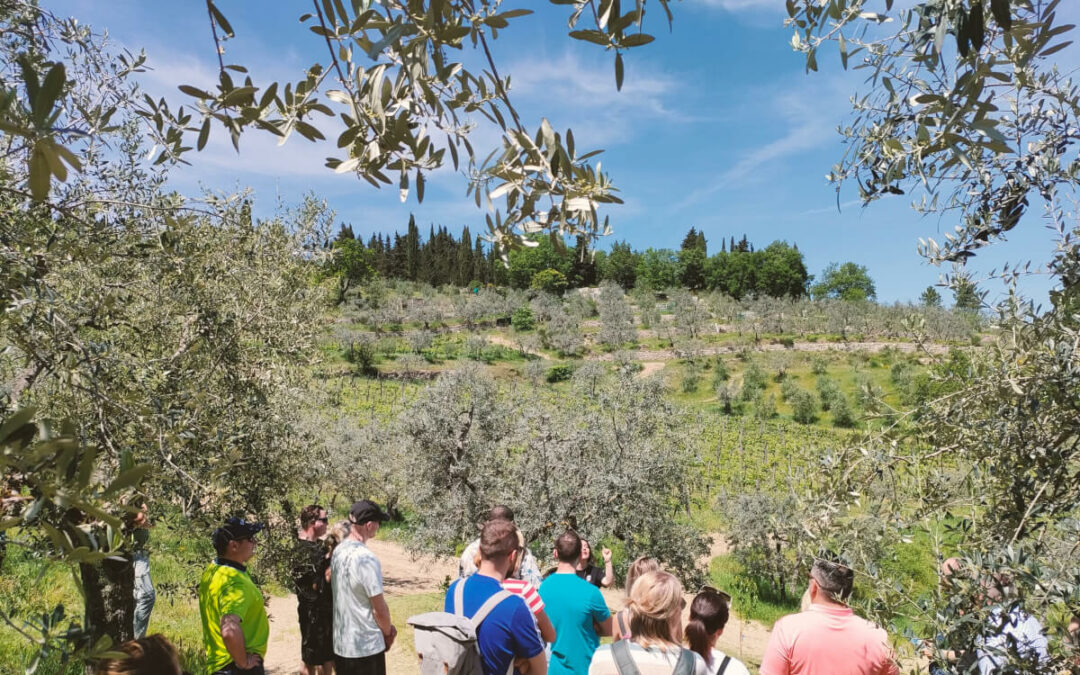
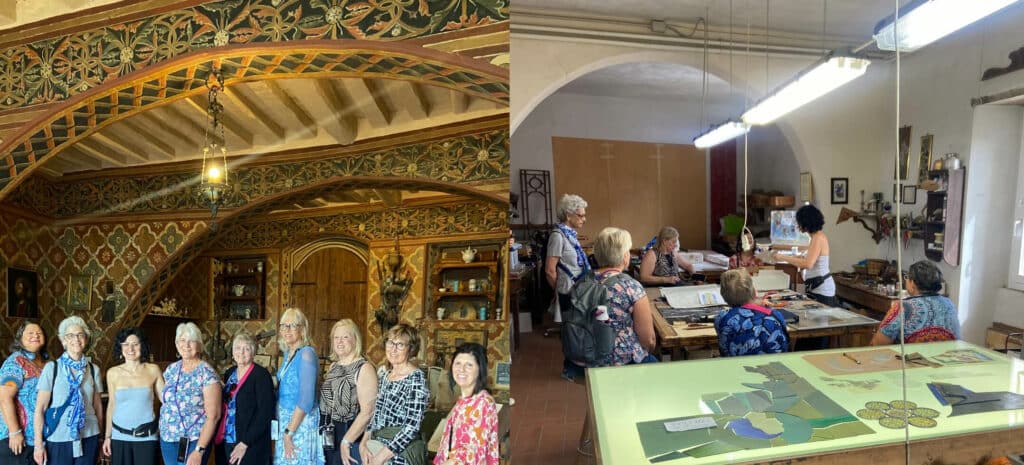
We recently organized a “Diary of an Incentive Journey” that spanned from the untouched hills of Mugello to the creative hub of Pesaro. This wasn’t a standard tour; it was a mission-driven experience.
- Mugello (Tuscany): Participants stayed in a private villa, engaging in plein-air painting and marbled paper workshops. This wasn’t just “leisure”; it was a way to help preserve endangered Italian crafts.
- Pesaro (Le Marche): As a UNESCO Creative City of Music, the group moved from the “observer” role to the “creator” role through landscape drawing and fresco conservation labs.
This format works only when the company is ready to invest in purpose-driven travel. If the leadership team just wants a “party,” this level of cultural depth will be lost on the participants.
Strategic meetings vs. incentives: the Emilia Romagna example
Sometimes, a company needs to combine high-level strategy with a reward. In these instances, the “Incentive” label is too light. You need a Strategic Meeting Destination.
Emilia Romagna is the perfect example of this middle ground. It offers world-class conference facilities in Bologna, but also the “Motor Valley” (Ferrari, Lamborghini) and a rich culinary tradition.
We once hosted a group of top leaders in Parma and Modena. They didn’t just eat Parmigiano Reggiano; they visited a factory to see how leaders maintain excellence while adapting to change (like converting to organic production). They visited an acetaia where barrels from 1910 are still in use, sparking a discussion on legacy, expertise, and long-term dedication.
If your goal is to inspire your managers with values like “Quality over Quantity,” a themed strategic meeting in Emilia Romagna is far more effective than a generic luxury stay in a coastal resort.
Tactical criteria for decision makers
Choosing the right format isn’t just about avoiding mistakes; it’s about maximizing the long-term ROI for your organization. When you align your goals with the right Italian territory, the benefits of incentives and team building programmes for your company extend far beyond the return flight, fostering deep-seated loyalty and a renewed creative spark.
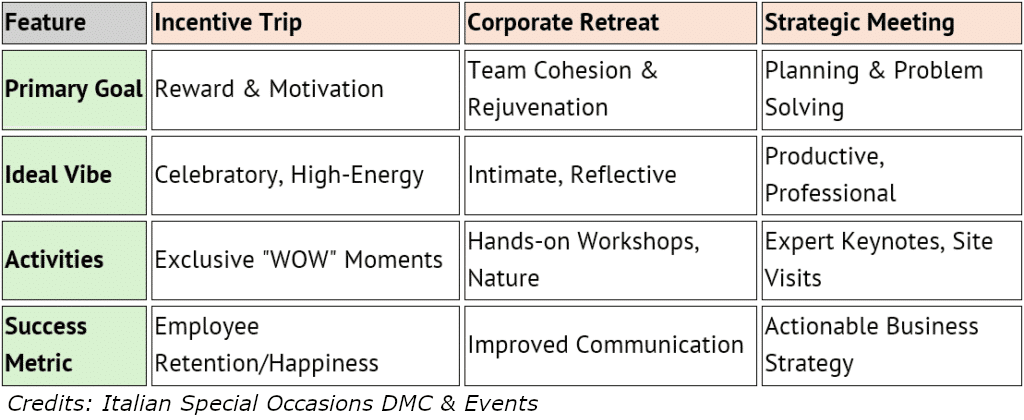
To help you choose between an Incentive, a Retreat, or a Strategic Meeting, use the following criteria:
The value of “off the beaten path”
Finally, consider the logistical and psychological impact of your destination. As we found when planning an event for a group that wanted Venice, staying in the city center can be a “logistical nightmare” for 50+ delegates.
Instead, we proposed Treviso. It allowed the group to stay in majestic Renaissance villas, navigate the Sile River, and visit the vertical vineyards of Cartizze where harvesting is still done by hand. By avoiding the “Las Vegas” atmosphere of the more touristy Venetian areas, the delegates felt they were being given an insider’s look at Italy—a much more powerful reward than a standard tourist experience.
Conclusion: how to choose the right corporate format in Italy
Italy is a versatile canvas, but it must be painted with the right brush. If your team needs to heal, plan, or strategize, don’t force them into an “Incentive” box. Choose a format that respects their current state and your corporate goals.
By aligning your specific business objectives with the right Italian territory and season, you ensure that your investment translates into measurable growth. When executed with intention, the benefits of incentives and team building programmes for your company will resonate long after the journey ends, creating a lasting legacy of culture and connection.
Are you unsure if an incentive, retreat, or meeting is the best fit for your next project? Talk to our team today to discuss your goals, and let us help you design a meaningful experience off the beaten path.