




Almost every corporate event today includes the word sustainability somewhere in the brief.
Sometimes it means eliminating single-use plastics. Sometimes it’s about calculating CO₂ emissions or choosing a venue with environmental certifications.
These are all positive steps. But on their own, they don’t make an event sustainable.
A truly sustainable event should leave the destination better than it found it. It should support local businesses, celebrate local culture and create experiences that couldn’t happen anywhere else.
Here are five common mistakes we see, and how to avoid them.
1. Measuring carbon, but ignoring what really matters
Reducing emissions is important. But sustainability is about much more than carbon.
Before designing any event, we start with a materiality assessment. In other words, we ask which sustainability issues are most relevant for that particular event, its stakeholders and the destination.
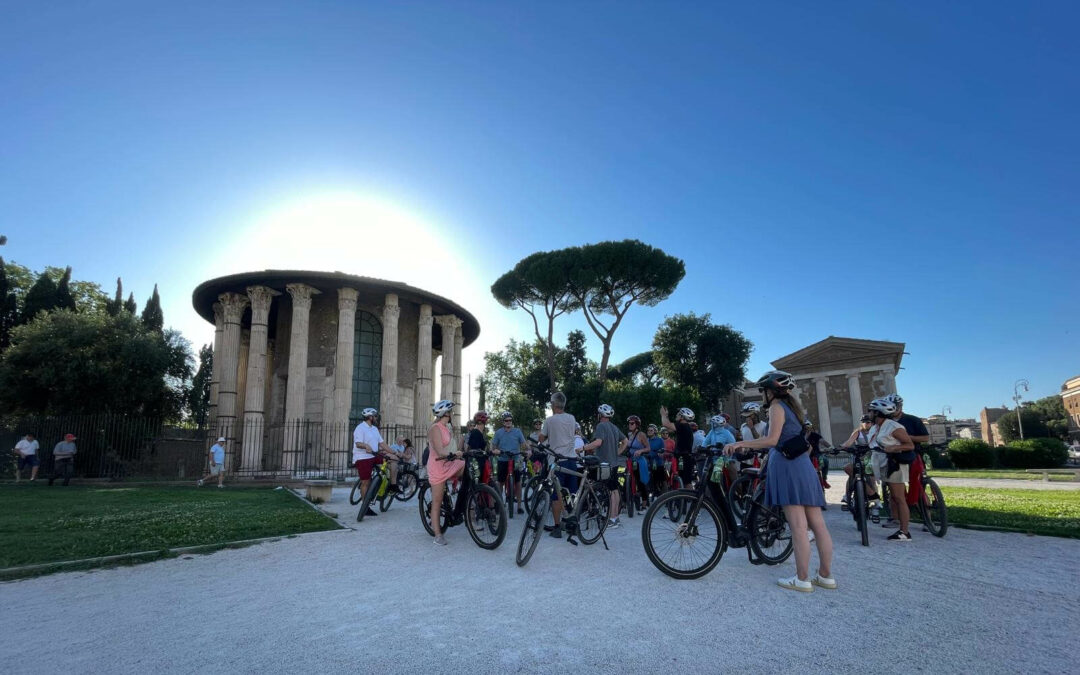
For example, for a leadership retreat in Castel Gandolfo, just outside of Rome, reducing coach transfers was important. But so was supporting local businesses during the quieter season, choosing independent restaurants over international chains, and creating opportunities for participants to discover the town on foot with local guides.
Those decisions may never appear on a carbon calculator, yet they can have a lasting positive impact on the destination.
When planning an event, ask questions such as:
- Who benefits from our budget?
- Are we creating opportunities for local businesses?
- Are we helping preserve local traditions?
- Will the community still benefit after we’ve left?
2. Choosing a “Green” venue without looking beyond the building
Environmental certifications matter. But they only tell part of the story.
A venue can have excellent environmental credentials and still contribute very little to the local area.
When selecting venues, we look beyond certifications.
For one incentive programme in Palermo, we deliberately chose a series of historic palaces and heritage buildings instead of a standard conference hotel. Not because they were older or more beautiful, but because they reflected the city’s identity and allowed us to work with local cultural organisations, guides and suppliers.
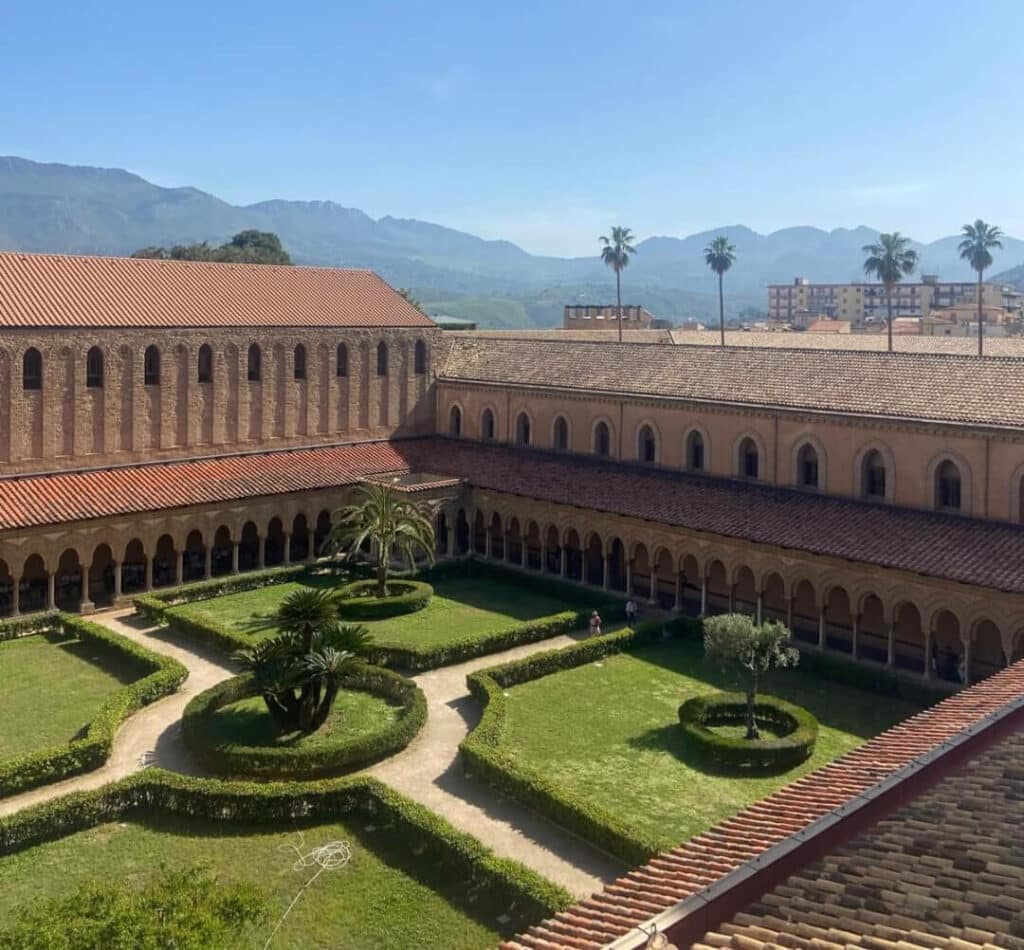
Likewise, for executive retreats we often recommend restored masserie in Puglia, family-owned wine estates in Tuscany or historic monasteries, where the venue itself becomes part of the experience and supports the surrounding community.
Environmental performance matters.
But so does cultural value.
So instead of asking: “Is this venue sustainable?”, try asking: “How does this venue contribute to the place where it operates?”
The answer is often far more revealing.
3. Confusing sustainable design with sustainable events
Replacing plastic bottles with reusable ones is easy. Designing a genuinely sustainable programme takes much more thought. Again, this is where materiality plays an important role.
If unnecessary transportation is one of the biggest impacts, we redesign the itinerary. If preserving local heritage is more relevant, we build experiences around historic venues and regional traditions.
For example, instead of moving guests between multiple cities in one day, we often create slower programmes centred around one destination, allowing participants to explore it on foot, meet local producers and spend more time with the people who live there.
The result is usually a better experience for guests and a lower environmental impact at the same time.
4. Missing the opportunity to support local communities
One of the easiest ways to make an event more sustainable is also one of the most overlooked. Spend your budget locally.
For a corporate incentive in Sicily, rather than importing generic entertainment, we worked with local musicians, selected family-run restaurants and organised activities led by Sicilian artisans and producers.
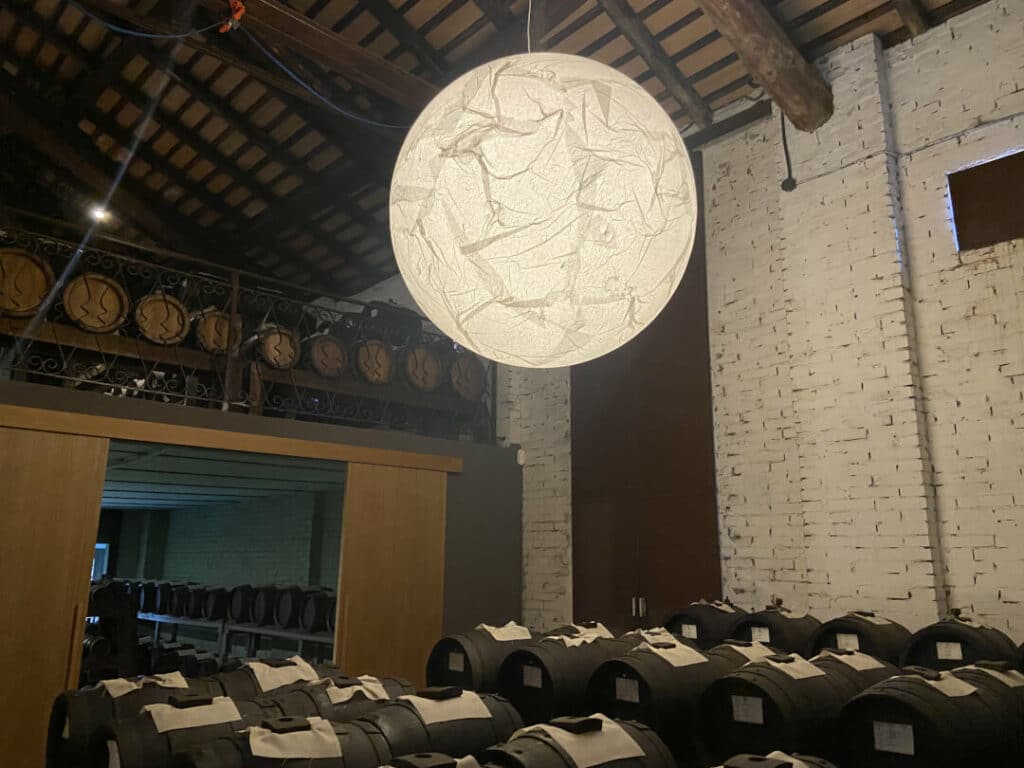
For another event in Emilia-Romagna, guests met local balsamic vinegar producers instead of attending a standard networking activity.
These choices create authentic memories while ensuring that more of the event budget stays within the destination.
People rarely remember luxury for its own sake. They remember authenticity.
5. Treating sustainability as something you mention afterwards
Many companies publish a sustainability statement after an event. We believe the story should begin much earlier.
If we choose an off-season destination, we explain why. If we work with a social enterprise, we tell participants about its work. If the menu highlights seasonal ingredients sourced nearby, we introduce the people behind them.
At the end of the event, sustainability shouldn’t be a list of actions. It should be a collection of decisions that everyone understands.
This is also why our materiality assessment is so valuable. It allows us to explain not only what we did, but why those choices mattered for that specific event and destination.
Sustainability starts long before the event begins
At Italian Special Occasions, sustainability isn’t a package that clients can add to an event. It’s the framework we use to design it.
Every project begins by identifying the issues that matter most to the client, the participants and the destination. From there, we make hundreds of decisions—from venue selection and mobility to catering and local partnerships—that reflect those priorities.
Because the most sustainable events aren’t necessarily the ones with the smallest footprint.
They’re the ones that leave the greatest positive impact on the people and places that make them possible.
If you’re planning a meeting, incentive trip or corporate retreat in Italy and want sustainability to create genuine value rather than simply tick a box, we’d be delighted to help you design an event that makes a lasting impact—for your team and for the destination that welcomes you.
Contact us today and let’s start planning together.