




Every event begins long before the first guest arrives. It starts with a conversation, a purpose, a few open questions. And one of the first questions we now ask ourselves is: what really matters for this experience?
Materiality helps us find that answer.
It reveals the sustainability themes that are truly relevant—not in theory, but in the reality of the event, the brand, the destination, and the people involved. It’s a gentle but decisive way of transforming intentions into action, and of designing events that feel both memorable and responsible.
Events bring people together in powerful ways. When we understand which priorities should guide us—well-being, responsible production, innovation, local impact—we can build experiences that resonate more deeply and leave something meaningful behind.
Quick Overview: Why Materiality Matters for Event Planning
In the event industry we often talk about sustainability—carbon footprints, certifications, responsible suppliers. But materiality is the tool that helps us cut through the noise.
Materiality is a method used in sustainable event planning to identify the themes that matter most for your event’s impact—on people, stakeholders, and the environment.
By mapping priorities to relevant UN Sustainable Development Goals (SDGs) and evaluating where you can influence the supply chain, materiality transforms sustainability from a vague intention into concrete actions.
In corporate events, incentives, and congresses, a materiality assessment helps planners design experiences that reduce waste, support local economies, promote well-being, and strengthen innovation. When used early in the planning process, it turns sustainability into measurable outcomes.
From Words to Action: A Real Case in Milan, Italy
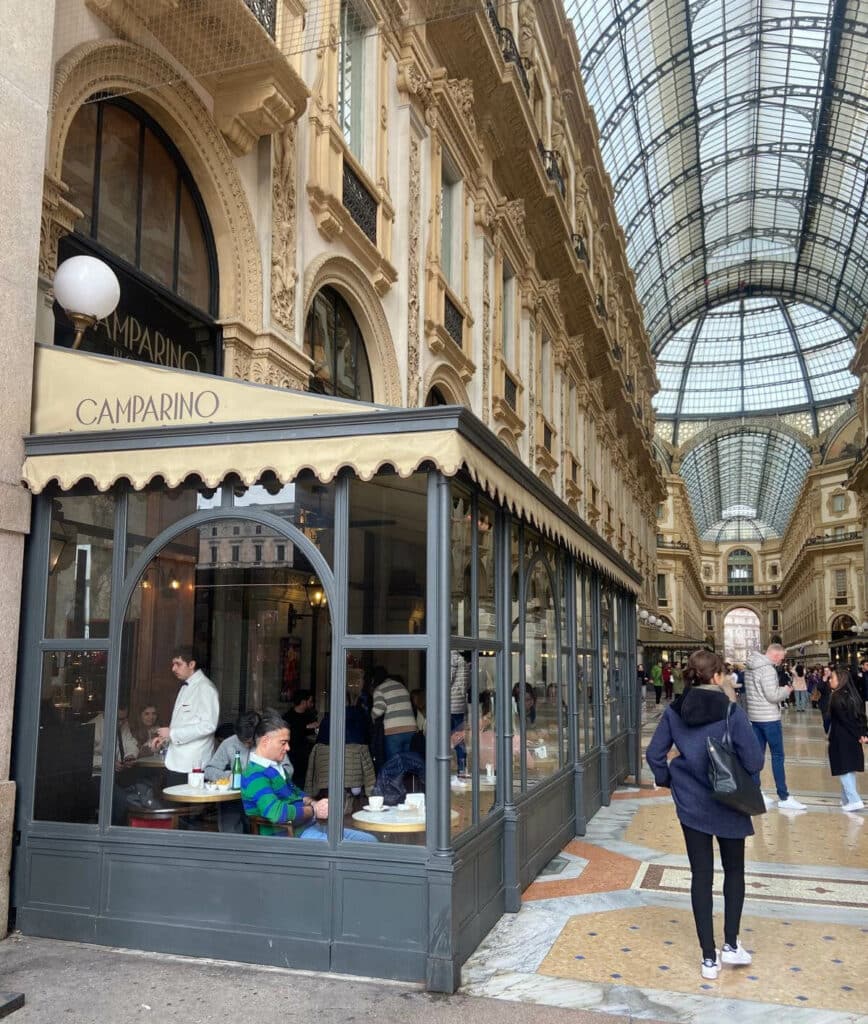
Let’s step into a recent project we at Italian Special Occasions DMC curated in Milan, where a global client asked us to design a three-day corporate event with a strong “wow” factor—something creative, memorable, and deeply connected to the city.
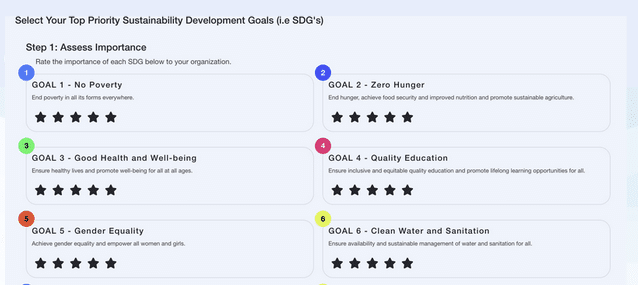
Before selecting venues or menus, we sat down for a materiality exercise*. It’s a moment of listening: to the brand, to the purpose, to the place. Together with the client, we analysed their ESG priorities, internal culture, and local context. Three SDGs emerged as the most relevant and impactful:
- SDG 3 — Good Health and Well-Being
- SDG 9 — Industry, Innovation, and Infrastructure
- SDG 12 — Responsible Consumption and Production
These goals became the backbone of the entire strategy.
How the SDGs Shaped the Event
SDG 3: Good Health and Well-Being
We designed the program to help participants breathe, move, and reconnect with themselves. Early mornings in the nearby park offered yoga, breathwork, or a gentle run—simple rituals that set a calm, positive rhythm.
Inside the meeting venue, we curated healthy food stations with regional flavours and energizing options. Lunch was intentionally alcohol-free; a choice that felt refreshing, balanced, and aligned with the day’s focus.
There was a quiet beauty in watching people slow down, stretch, or exchange stories during breathwork. Wellness became a thread that bound the group together.
SDG 12: Responsible Consumption and Production
Food is one of the areas where you can create the most immediate, visible impact.
We collaborated with a local caterer who works with sustainable regional farms, and together we redesigned the classic dinner format: three courses instead of four, preceded by a lively pre-cocktail with edible flowers and playful finger food.
Less waste, more creativity, more connection.
Any surplus food was donated to a local charity. And instead of event gadgets destined for drawers or bins, we invested in memorable experiences—moments people would actually take home.
SDG 9: Industry, Innovation, and Infrastructure
Sustainability continued in the logistics. We selected hotels committed to renewable energy and strong recycling systems. Plastic bottles disappeared; refill stations appeared.
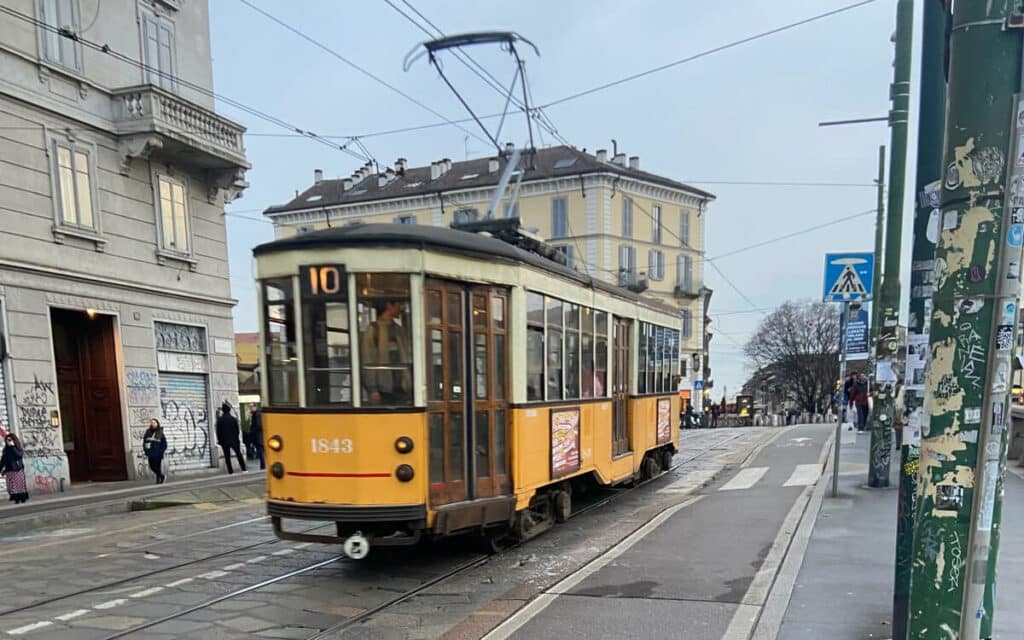
The city became part of the experience, through walks, short transfers, and spaces that encouraged conversations.
When sustainability becomes part of the guest journey—not a separate message but a seamless reality—people feel it. They respond to it.
The Outcome: Impact Created Together
By focusing on just three SDGs, the event became more than a gathering—it became a shared commitment between our client, our suppliers, and us. It delivered the “wow” factor our client wanted while also generating tangible, measurable positive impact.
At first, introducing materiality to every partner felt unusual. But the reaction surprised us. Caterers brainstormed new ideas, hotels shared their best practices, and transportation providers actively proposed greener options.
There was an unexpected generosity in the process. A shared curiosity. A willingness to do better.
And that human connection—thoughtful, collaborative, sincere—is what transforms sustainability into something real.
At Italian Special Occasions DMC & Events, the materiality exercise has now become a standard step in every event proposal. It creates clarity. It builds trust. And it ensures that every event, from incentives to corporate retreats, contributes to the local community in an informed and intentional way.
Creativity Grows When Purpose Is Clear
Here’s the beautiful part: when you begin working with the SDGs, creativity expands. Materiality doesn’t narrow possibilities; it sharpens them!
You start seeing opportunities everywhere: in local artisanship, in forgotten traditions, in regional food systems, in wellness rituals, in how people move through a space.
Events stop being isolated experiences. They become part of a place, part of a community, part of an ongoing story.
In the year ahead, we will continue sharing case studies and reflections from our projects across Italy.
If you’d like to explore how materiality could shape your next corporate event in Italy, we’d be happy to guide you through the process!
Until 10 January 2026, we’re offering a free consultation and general quotation for anyone securing their spot with us.
Contact us via Direct Message, email info@italianspecialoccasions.com or WhatsApp +39 329 769 2116: we’re here to help you plan your extraordinary event in Italy.
FAQ: Materiality & Sustainable Corporate Events
What is materiality in event planning?
Materiality is a method used to identify the sustainability topics that are most relevant to your event and that you can influence through planning choices. It helps ensure actions are focused, practical, and aligned with the SDGs.
Why is materiality important for corporate events?
Because not all sustainability actions create the same impact. Materiality helps you prioritise the areas where your event can genuinely contribute—such as reducing waste, supporting local suppliers, improving well-being, or enhancing innovation.
How early should a materiality assessment be done?
Ideally at the very beginning. It guides decisions about venues, menus, logistics, suppliers, and engagement activities, making the whole event more coherent.
Can small events also apply materiality?
Absolutely. Even small team meetings or incentives can benefit from focusing on 1–2 SDGs. Small changes—such as local sourcing, reduced waste, or wellness-focused programming—can create meaningful results.
Is sustainability more expensive?
Not necessarily. In many cases, sustainable choices—reducing waste, optimising logistics, avoiding gadgets—save money or simply reallocate budget towards more meaningful experiences.
How can our company start applying materiality in our next event?
Begin with a simple conversation: What matters to your organisation? Where can the event contribute to people, place, and planet? A DMC experienced in sustainability, like Italian Special Occasions, can guide you through a structured process.