



Luxury corporate event trends in Italy are changing—quietly, but decisively. For 2026, the shift is not about spectacle or scale; it is about intention, authorship, and responsibility.
Companies planning high-end meetings, incentives, and leadership gatherings are no longer asking how to impress, but rather: Does this event reflect our values? Is the experience meaningful for participants? Are we investing in a legacy that makes sense long-term?
This article explores the real, visible trends shaping luxury corporate events in Italy for 2026.
These are not futuristic concepts; they are the strategic directions we implement daily at Italian Special Occasions for clients who prioritize substance over ostentation.
Defining “conscious luxury” in the corporate events context
In 2026, the traditional equation of luxury—defined by excess and opulence—is being replaced by Conscious Luxury. This is a deliberate approach where the value of an event is measured by its depth rather than its breadth.
For a corporate event to be considered truly luxurious today, it must satisfy three criteria:
- Purposeful Curation: Every detail must feel intentional and coherent with the brand’s mission.
- Cultural Integrity: The event must respect and elevate the local Italian heritage rather than using it as a disposable backdrop.
- Integrated Sustainability: Environmental and social responsibility are embedded in the design, not added as a post-event report.
The evolution of a vision
While the term “Conscious Luxury” feels modern, the seeds of this shift were planted years ago. Reflecting on our first time at ILTM Cannes in 2015, the industry was already beginning to whisper about a move away from material excess. Back then, the dialogue centred on “Love, Loyalty, and Luxury”—a call to get back to basics and put human connection at the core of every journey.
We wrote at the time that luxury is the freedom to be open to “otherness” and to become a citizen of the world through local traditions. Today, in 2026, that vision has fully matured. What we then called “authentic travel” has evolved into a strategic necessity for corporate leaders who recognize that meaningful relationships with local hosts are the ultimate premium.
Trend 1: High design intelligence for smaller groups
One of the clearest shifts for 2026 is the move toward “micro-events” with high-level execution. Instead of large-scale conventions, we see a rise in executive retreats (20–40 guests) and curated incentive groups.
The Logic of Small-Scale Luxury
Smaller numbers allow for more complex, discreet logistics and the use of venues that cannot accommodate crowds—such as private historic residences, working agricultural estates, and hidden heritage sites. From a sustainability standpoint, this naturally reduces the carbon footprint per guest while allowing for a “zero-waste” approach that is impossible at scale.
Trend 2: Italian craftsmanship as a strategic business asset
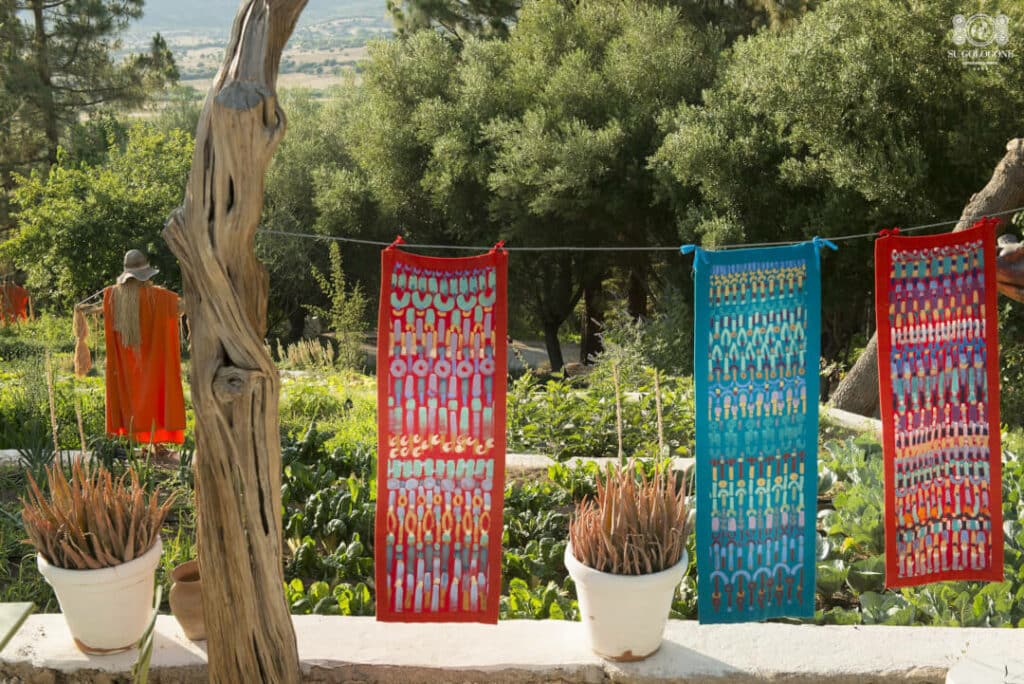
At Italian Special Occasions, we view Italian craftsmanship not as decoration, but as a differentiator. In 2026, engaging with local artisans provides a narrative that resonates with corporate leadership.
Why craftsmanship matters to decision-makers
- Values Alignment: Mastery, patience, and respect for process are values shared by successful organisations and Italian craftsmen alike.
- Exclusive Connection: Collaborating with family-run ateliers or historic workshops creates an experience that cannot be replicated or “bought” off a shelf.
- Authentic Interaction: Clients now prefer a conversation with a master leatherworker or a slow-food producer over staged, high-energy entertainment.
The Creative Italy partnership: learning through intuition
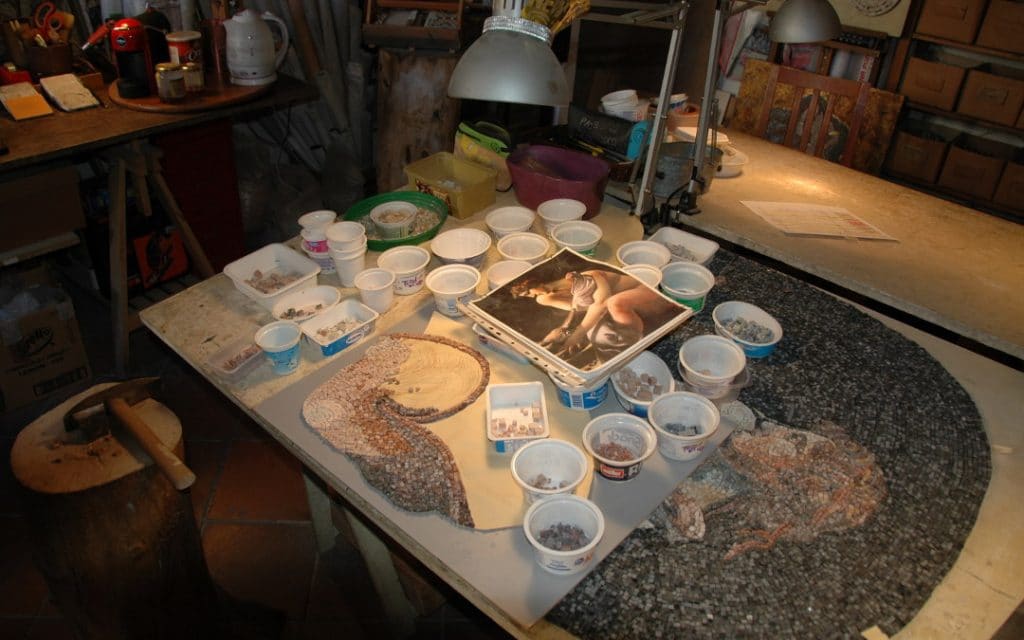
To bring this trend to life, we integrate bespoke workshops through our sister company, Creative Italy. This collaboration allows us to invite guests to go beyond observation and actually use their hands and ingenuity alongside masters of craft.
A practical example of this was our perfume-making workshop at Feudo San Pietro in Milazzo, Sicily. Guided by masters from our Creative Italy Academy, participants learned to navigate the world of botanical perfumery through their hands, eyes, and intuition.
Trend 3: Heritage preservation through restrained use
Italy’s heritage venues remain the pinnacle of luxury, but the 2026 approach favours restraint over transformation.
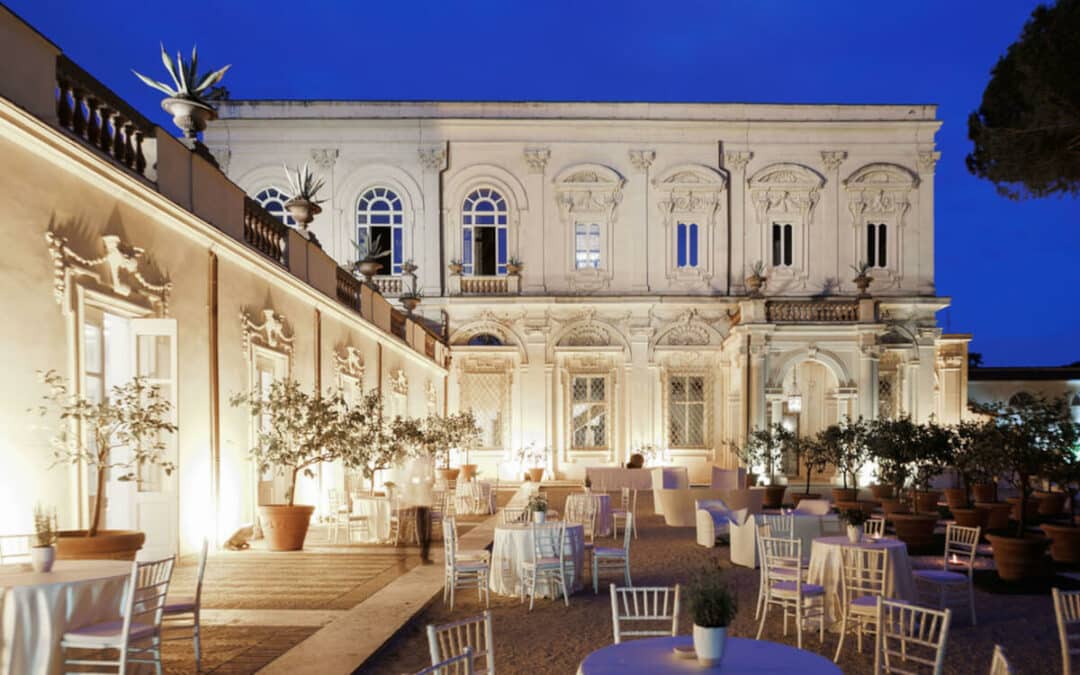
The trend is to work with the existing architecture rather than turning historic spaces into “neutral” event boxes. By using limited guest access and minimal temporary builds, we preserve the soul of the venue. This approach reduces production waste and ensures that attendees feel invited into a piece of living history rather than a manufactured set.
Trend 4: Sustainability as a structural design principle
Sustainability in 2026 is no longer a checkbox; it is a structural choice. We are seeing a move away from “performative” gestures toward choices that quietly but significantly reduce impact. We have been paving the way for sustainable events ever since our inception more than 13 years ago.
Visible Trends in Conscious Planning:
- Seasonality-Led Catering: Menus, from company gala dinners to informal business lunches, are designed around what the Italian soil provides at that exact moment, reducing “food miles” and supporting local biodiversity.
- Infrastructure-First Venues: Selecting locations with existing high-quality infrastructure to avoid the waste associated with temporary energy and water setups.
- Daylight-Centric Programming: Designing agendas that maximize natural light, reducing the energy demands of high-tech lighting rigs.
The tool for clarity: Materiality in event planning
To move from vague intentions to concrete actions, we utilize a process called Materiality. This is a strategic assessment used to identify which sustainability themes are truly relevant to a specific event, brand, and destination.
By mapping priorities to the UN Sustainable Development Goals (SDGs), materiality helps us cut through the noise. It ensures that we aren’t just “being green” in a general sense but are investing resources where they will have the most significant positive impact on the local community and the environment.
From theory to action: a conscious case study in Milan
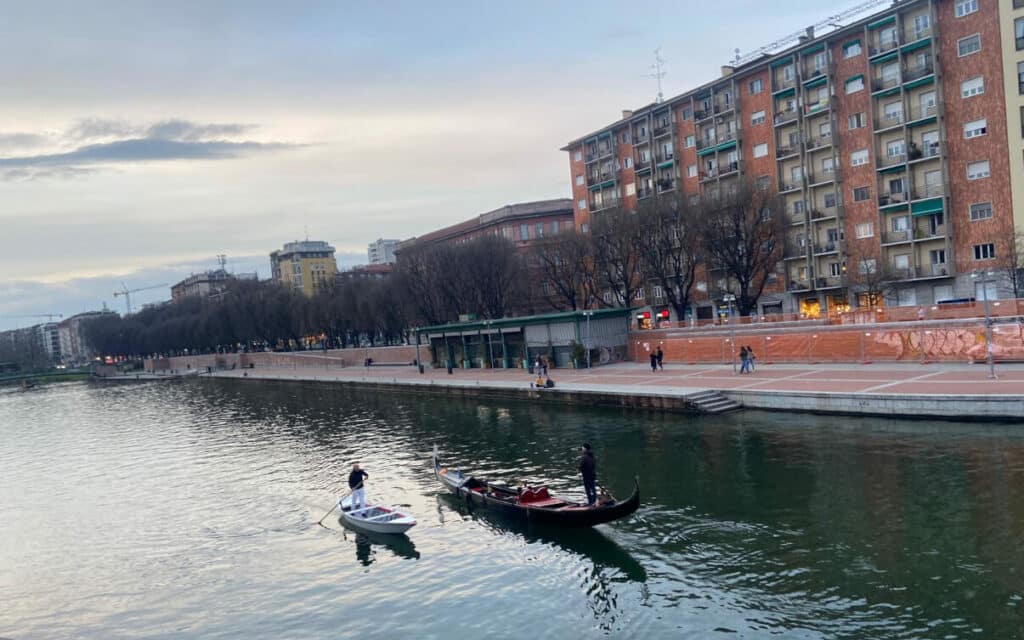
To illustrate how this works in practice, read our case study “How to Apply Materiality in the Event Sector: Turning Sustainability from Words into Action”. It explains how we conducted a materiality exercise using a specialised tool developed through our BEFuture Project, for a corporate event we curated in Milan.
Trend 5: designing for presence and “white space”
Audience fatigue is real. In response, luxury corporate events in Italy are moving away from constant stimulation. Slower Transitions and White Space in agendas are replacing the “packed agenda”.
Luxury, in this context, is the freedom to think. We are designing more walking meetings through Italian gardens and informal roundtable exchanges. This allows senior participants the room to connect and reflect, which often leads to more significant business breakthroughs than a back-to-back keynote schedule.
Trend 6: Local supply chains as the new exclusivity
Paradoxically, the more local an event becomes, the more exclusive it feels. In 2026, exclusivity is found in specificity. Companies are increasingly proud to state that every supplier—from floristry and catering to technical services—was selected for regional expertise rather than industrial scale.
The Strategic Advantage of Local Sourcing
For a decision-maker, hyper-local sourcing offers four distinct benefits:
- Quality Control: Direct relationships with producers ensure a higher standard of craft.
- Stronger Storytelling: The “provenance” of the event becomes a conversation starter for guests.
- Logistics Efficiency: Reduced transport needs simplify the planning phase.
- Authentic Credentials: It provides clear, undeniable proof of a company’s commitment to local economies.
Trend 7: Measuring value beyond visibility
In 2026, the success of a luxury corporate event is no longer measured by social media “likes” or visual impact alone. Sophisticated clients are asking deeper questions about the long-term ROI of their gatherings.
The New Metrics of Success:
- Strategic Alignment: Did the event help the leadership team internalize the company’s 2026 vision?
- Relationship Capital: Did the intimacy of the setting foster deeper trust between stakeholders?
- Resource Justification: Was the budget used to create a meaningful legacy rather than a fleeting spectacle?
This shift naturally favours the smaller, more intentional formats that Italian Special Occasions specialises in, as they provide a much higher “return on objective” than large-scale showcases.
Choosing the right path for luxury corporate events in 2026
For decision-makers, the takeaway is clear: the most successful events in Italy will not try to impress everyone; they will resonate deeply with the right people.
To achieve this, you need a partner who understands the Italian territory beyond the clichés and views sustainability as a system, not a label.
At Italian Special Occasions, we specialise in transforming these trends into a cohesive reality that serves your strategic goals.
Next steps for your 2026 event planning:
- Explore how we work to see our philosophy in action.
- Discover our approach to sustainability, heritage and craftsmanship.
- Talk to our team to begin clarifying the value you want to create for your next gathering!